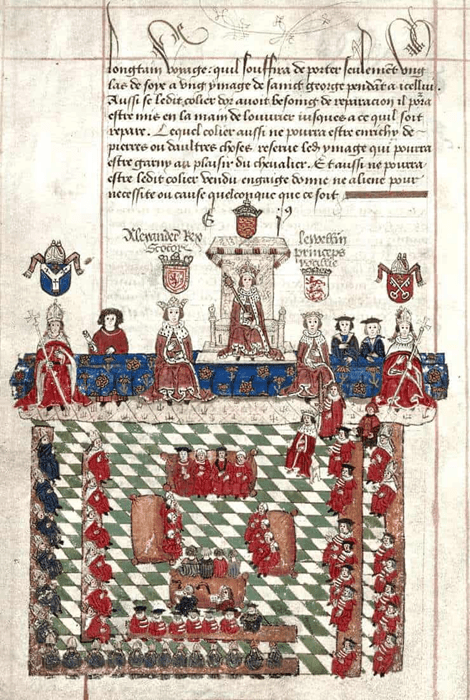
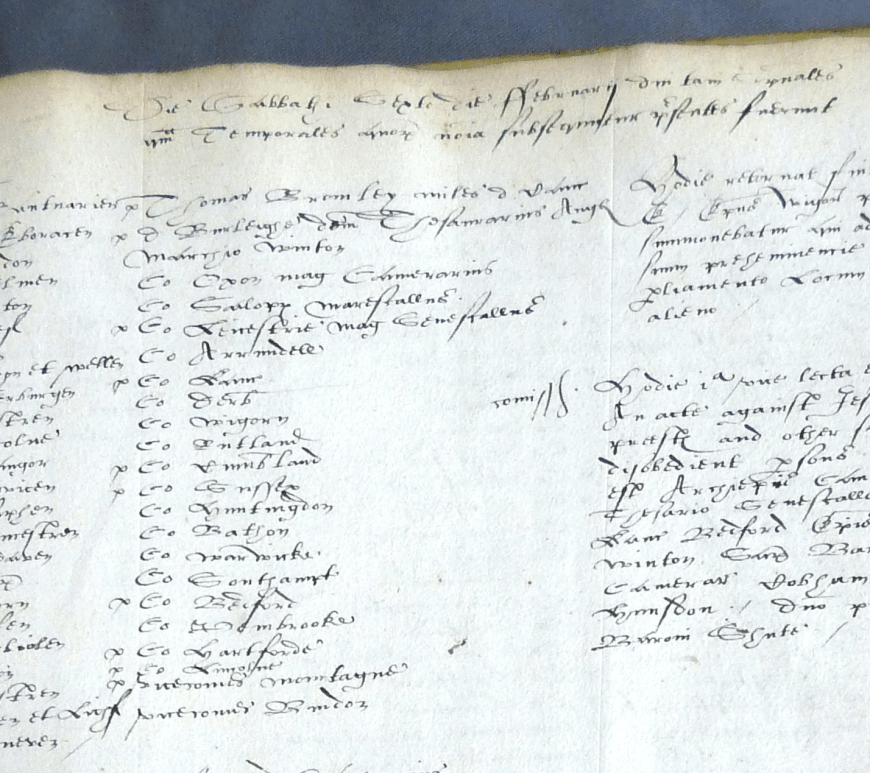
A page from the Lords' Journals in 1585 with three columns of text

Power struggles and group dynamics in the House of Lords, 1584-5

At the IHR Parliaments, Politics and People seminar on Tuesday 3 February, Dr Paul Hunneyball of the History of Parliament, will be discussing Power Struggles and Group Dynamics in the House of Lords, 1584-5. The seminar takes place on 3 February 2026, between 5:30 and 6:30 p.m. It is fully ‘hybrid’, which means you can attend either in-person in London at the IHR, or online … Continue reading Power struggles and group dynamics in the House of Lords, 1584-5

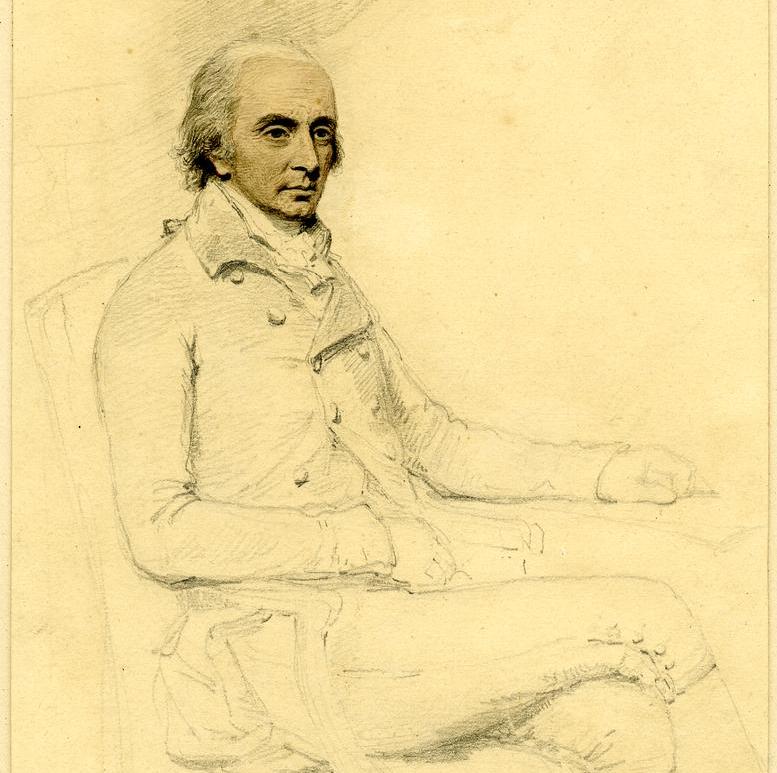
‘The sect of Alarmists’: The Third Party and the reluctant leadership of William Windham, 1793-4

In this latest post, the Georgian Lords welcomes a guest article by James Orchin, PhD student at Queen’s University, Belfast, re-examining William Windham’s ‘Third Party’, known as ‘The Alarmists’. The group was mostly made up of former Foxite Whigs, who had split from Fox over the French Revolution, and found itself positioned somewhat unhappily between Pitt the Younger’s administration and the Foxite opposition in the … Continue reading ‘The sect of Alarmists’: The Third Party and the reluctant leadership of William Windham, 1793-4

Parliament and Politics in the Later Middle Ages

Dr Simon Payling, of our 1461-1504 section, tracks the development of Parliament and Politics in the Later Middle Ages, from its Anglo-Saxon roots to the more formal split between the House of Commons and House of Lords that we recognise today… All long-lived institutions have their antecedents, and the antecedents of Parliament (or, perhaps more accurately put, the origins of the House of Lords) are … Continue reading Parliament and Politics in the Later Middle Ages

Bloomsbury Square and the Gordon Riots

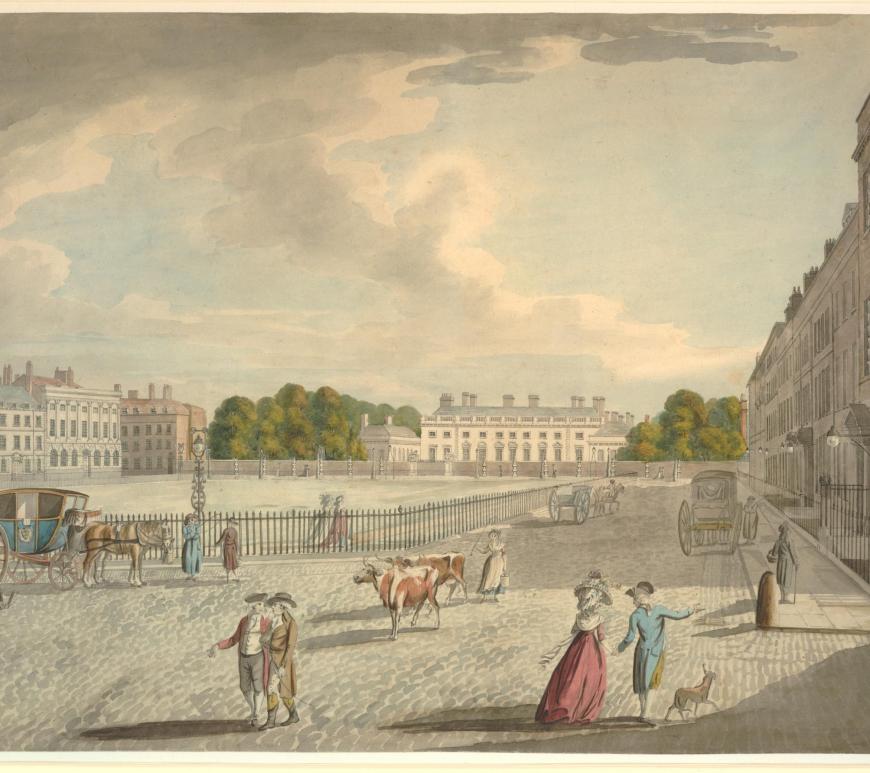
For almost 20 years, Bloomsbury Square has been the home to the History of Parliament. In the latest post for the Georgian Lords, Dr Robin Eagles considers the history of the square in one of its most turbulent periods. Bloomsbury Square, and its immediate surroundings, have long been associated with prominent political figures. In 1706, several peers had residences in the square, notably the (2nd) … Continue reading Bloomsbury Square and the Gordon Riots

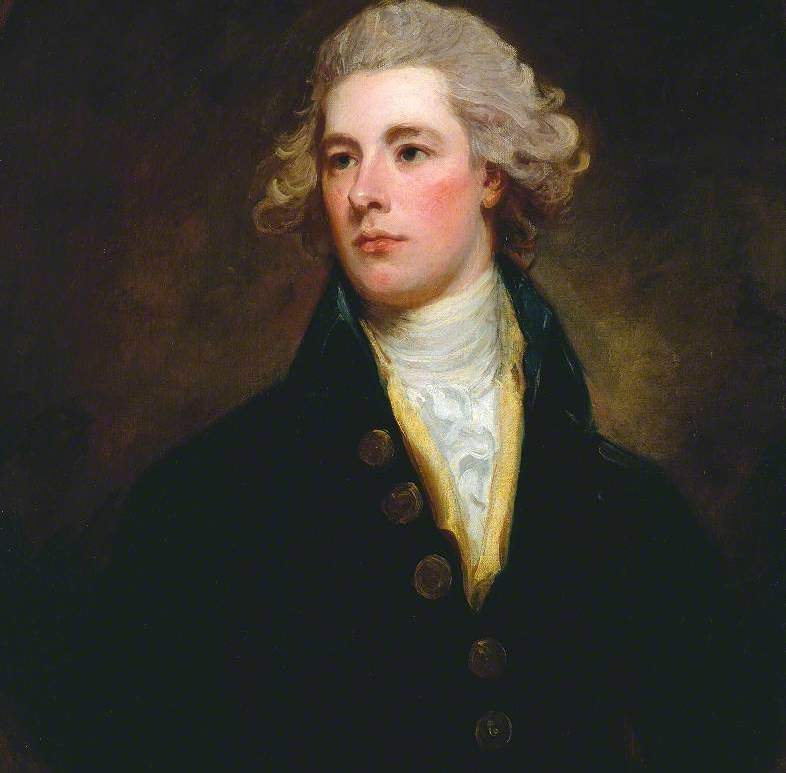
portrait of a young man in 18th-century dress

‘of all others most desirable’: Pitt the Younger and elections for Cambridge

From the onset of his lengthy political career, William Pitt the Younger had his eyes fixed on representing his alma mater, the University of Cambridge. Writing to his mother in July 1779, he observed that the University seat was ‘of all others most desirable, as being free from expense, perfectly independent, and I think in every respect extremely honourable’. In this latest guest post for … Continue reading ‘of all others most desirable’: Pitt the Younger and elections for Cambridge

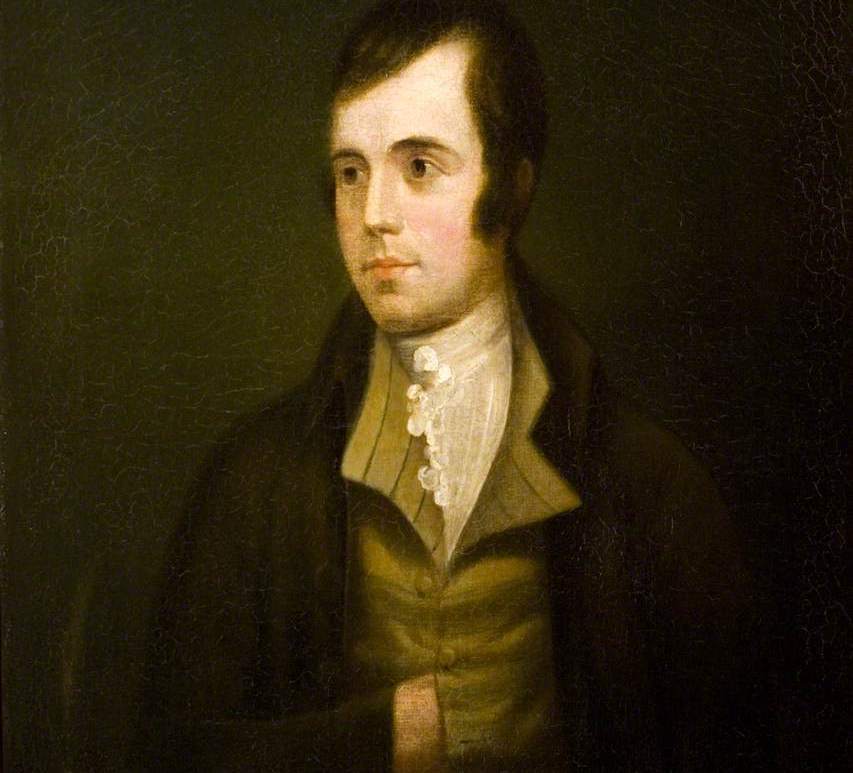
Portrait of a young man with dark hair wearing 18th-century clothing, a dark coat and a buff waistcoat

Robert Burns in Edinburgh: peers, patrons, and politics

In the wake of Burns Night, it is worth considering how the patronage of a small number of Scottish nobles helped Robert Burns become established as the national bard. In his latest piece for the Georgian Lords, Dr Charles Littleton, considers the important role played by a clutch of elite Scots families. Burns first published his Poems, Chiefly in the Scottish Dialect, in Kilmarnock in … Continue reading Robert Burns in Edinburgh: peers, patrons, and politics

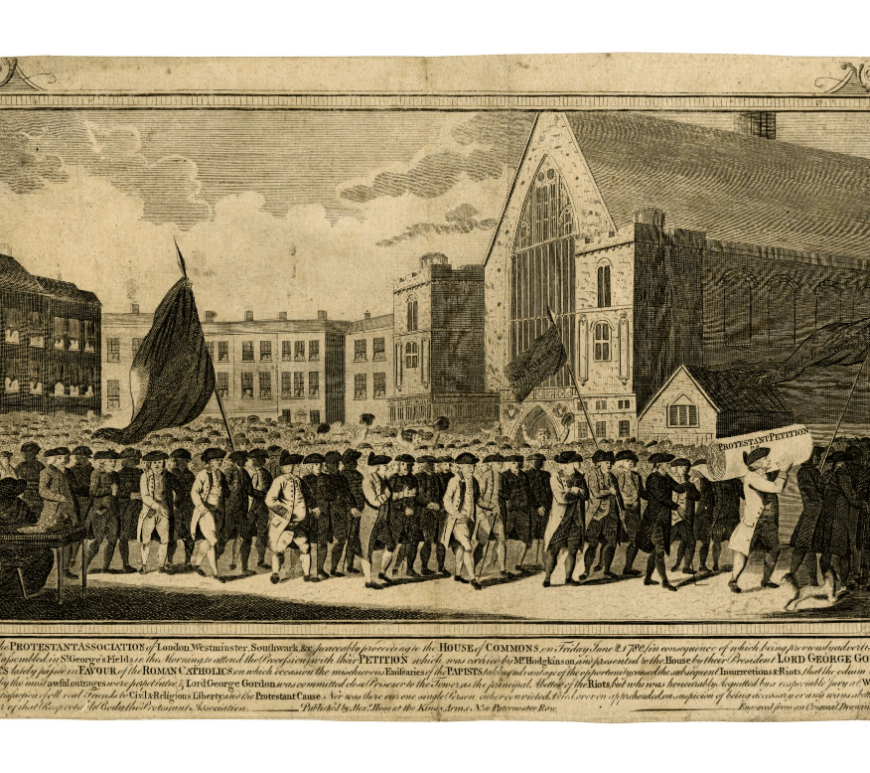
The day Parliament was invaded

In the summer of 1780 London, and several other cities across England, experienced some of the worst rioting they had seen in a generation, following the presentation of a petition to Parliament calling for the repeal of the Catholic Relief Act. In the latest post for the Georgian Lords, Dr Robin Eagles considers the evidence of Lord George Gordon’s trial report and the insights it … Continue reading The day Parliament was invaded

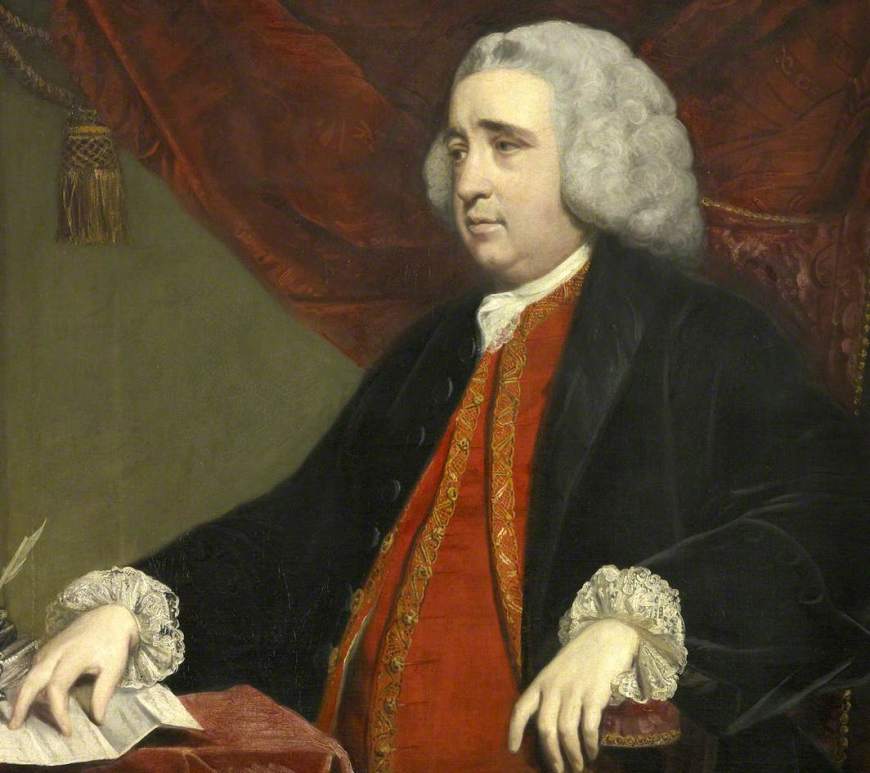
“Honest and essential service”: Henry Fox, Lord Holland, government fixer

Even in the 18th century, governments of all sorts relied on tough politicians who were willing to do the dirty work to keep administrations afloat. In the latest post for the Georgian Lords, Dr Robin Eagles highlights the case of Henry Fox, Lord Holland, one of the most notorious of them all, who died 250 years ago. In the winter of 1762/3 Holland oversaw the … Continue reading “Honest and essential service”: Henry Fox, Lord Holland, government fixer

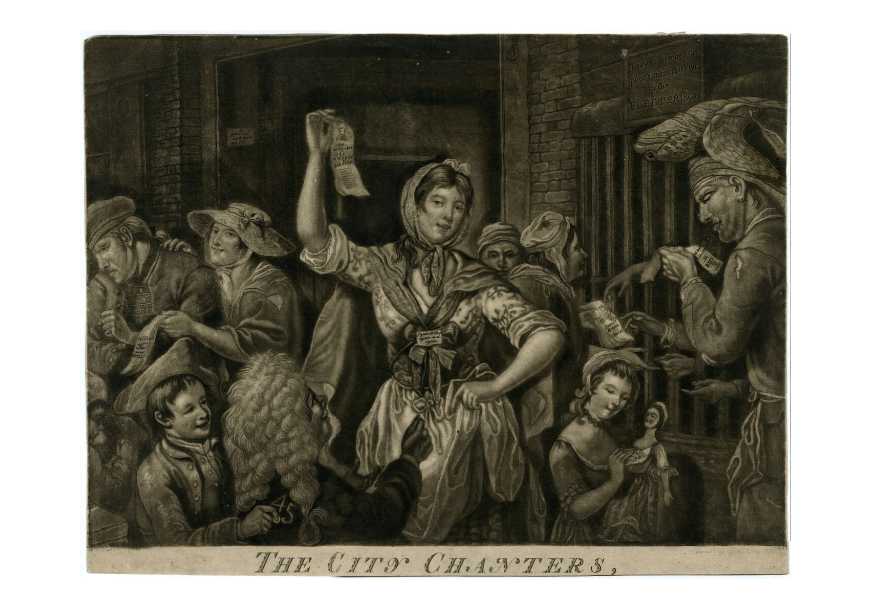
Election Chairing Ballads: The Songs and Music of Electoral Victory from Handel to ‘Things Can Only Get Better’

In today’s blog for the Georgian Elections Project, Dr Kendra Packham (Institute of English Studies, University of London and Newcastle University) tells us about her research on eighteenth-century election ballads, and finds in the forgotten election ‘chairing’ song points of comparison with the campaign for the 2024 UK general election. In the eighteenth century, when the ability and opportunity to vote was heavily restricted, songs … Continue reading Election Chairing Ballads: The Songs and Music of Electoral Victory from Handel to ‘Things Can Only Get Better’

Crisis? What Crisis? Parliament and Revolutionary Britain

At the end of April, the History of Parliament hosted a colloquium to celebrate the publication of the House of Commons 1640-60 volumes and the beginning of a new section on the Lords in the same period. In this blog, Dr Alex Beeton reports on a very successful day. In the last decade, it has become common to describe parliamentary democracy in England and the … Continue reading Crisis? What Crisis? Parliament and Revolutionary Britain