Michael Rush and the Database

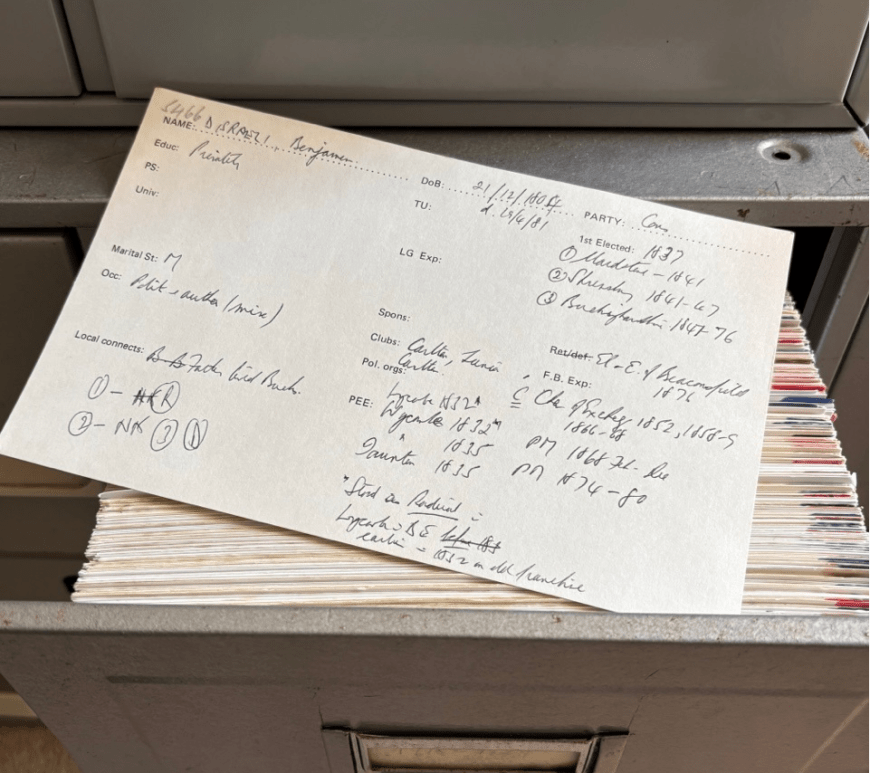
We were sad to hear recently of the death of Professor Michael Rush of the University of Exeter. Michael was a pioneering and indefatigable scholar of parliament, whose book, The Role of the Member of Parliament since 1868: from Gentlemen to Players (Oxford 2001), was the first serious study of its kind into the social background and political formation of MPs from the nineteenth century … Continue reading Michael Rush and the Database

The Foxite Whig Rump

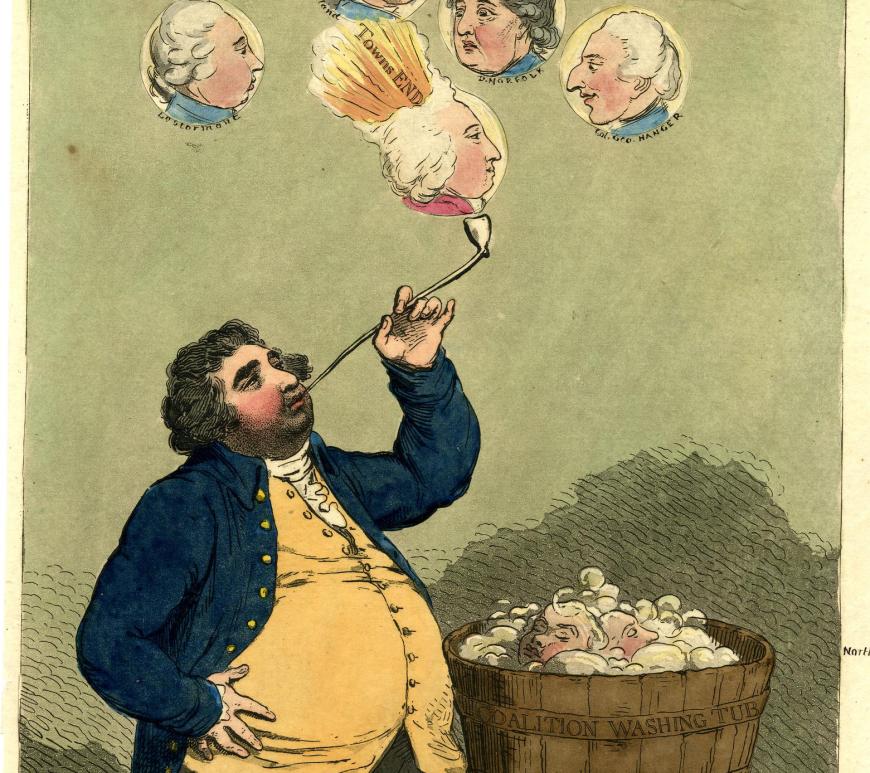
The death of Charles James Fox on 13 September 1806, just over eight months after that of his long-term rival, William Pitt the Younger, robbed British politics of a titan who had dominated affairs since the 1780s. And yet, in spite of being the talented heir to a parliamentary dynasty, Fox spent only a few months in office, and much of the latter part of … Continue reading The Foxite Whig Rump

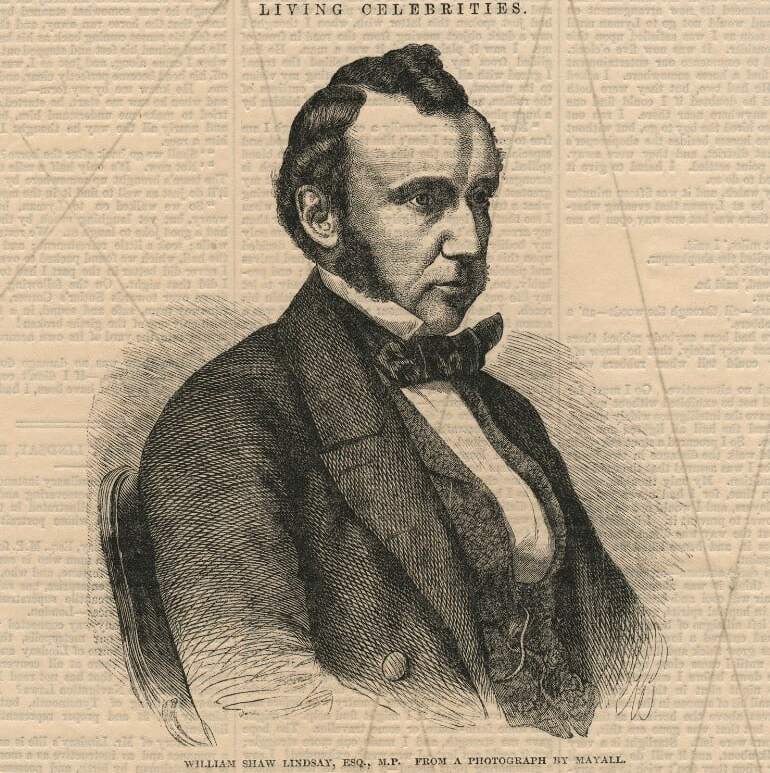
The remarkable rise of William Schaw Lindsay MP (1815-1877)

William Schaw Lindsay MP rose from poverty-stricken orphan to shipping tycoon by his late 30s. Lindsay was known for his involvement in the Administrative Reform Association (1855) after the perceived aristocratic mismanagement of the Crimean War. He was also an outspoken advocate for the Confederate state during the American Civil War. This article from our House of Commons, 1832-1945 project explores his life and career. … Continue reading The remarkable rise of William Schaw Lindsay MP (1815-1877)

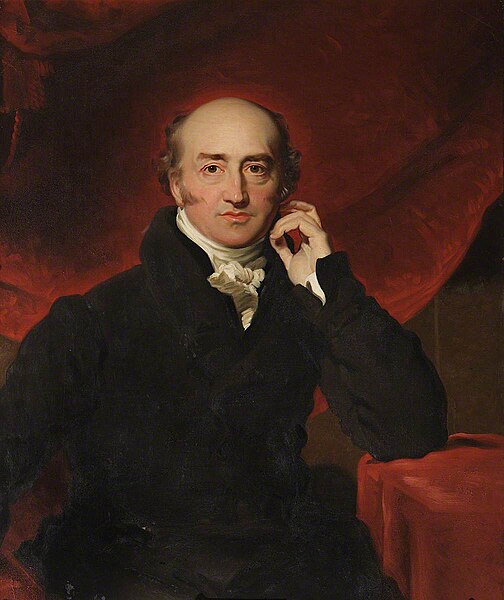
Canning’s ‘little senate’, 1798-1813

George Canning (1770-1827) was the most talented Member of the House of Commons of his generation, but his political career, which took him (briefly) to the pinnacle, was chequered and controversial. He entered the House in 1793 as a devoted Pittite, and by 1798 had there a band of ten personal followers, chiefly friends from Eton and Christ Church. Between 1801 and 1809, both in … Continue reading Canning’s ‘little senate’, 1798-1813

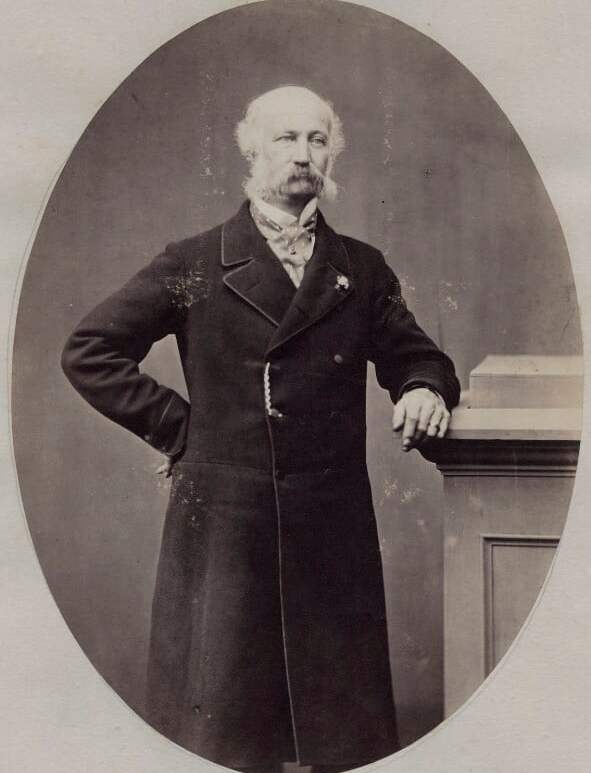
‘A kindhearted savage of a man’: Arthur Wills Blundell Sandys Trumbull Windsor Hill, Earl of Hillsborough (1812-68)

Today (6 August) marks the anniversary of both the birth and death of the Irish MP Arthur Wills Blundell Sandys Trumbull Windsor Hill, Earl of Hillsborough (and from 1845 Marquess of Downshire). Hillsborough‘s repeated physical altercations implicated him in two deaths and earned him a ferocious reputation, as this article from our House of Commons, 1832-1945 project explains. Hillsborough’s family (marquesses of Downshire) possessed large … Continue reading ‘A kindhearted savage of a man’: Arthur Wills Blundell Sandys Trumbull Windsor Hill, Earl of Hillsborough (1812-68)

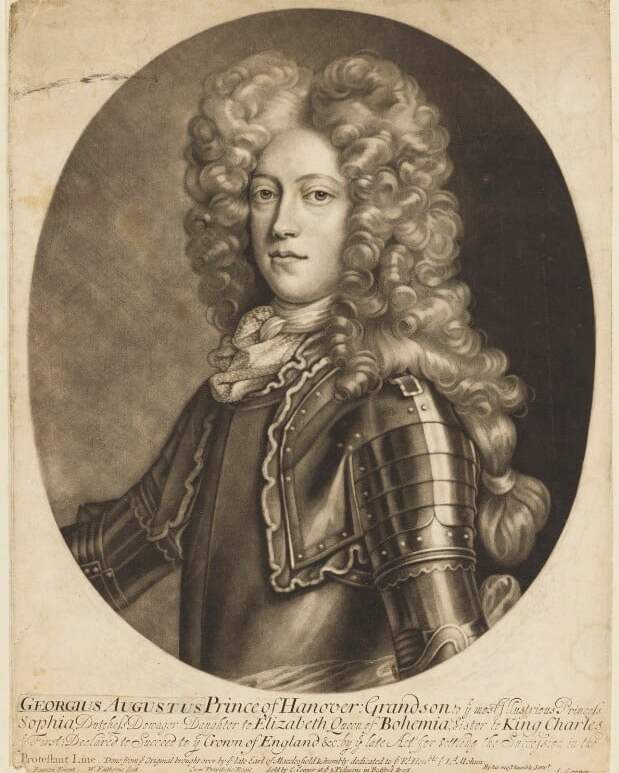
The Duke of Cambridge and the Hanoverian Succession, 1706-14

Early modern monarchs often were jealous of their heirs. In the early 18th century this was especially the case when the childless Queen Anne faced the prospect of seeing her crown pass to foreign cousins. In this article, marking the anniversary of Anne’s death and the accession of George I, we consider the manoeuvring around the creation of George’s heir as an English duke. The … Continue reading The Duke of Cambridge and the Hanoverian Succession, 1706-14

In Memoriam: Sir John Sainty

The History of Parliament has been deeply saddened to hear of the death of Sir John Sainty, a great friend of the History and a very good friend over the years of very many of its staff. Here, we look back at his career and service to the field of parliamentary history. For most of his career John’s day job was as a clerk in … Continue reading In Memoriam: Sir John Sainty

John Lewis: A Black Sailor at the 1828 Weymouth By-Election

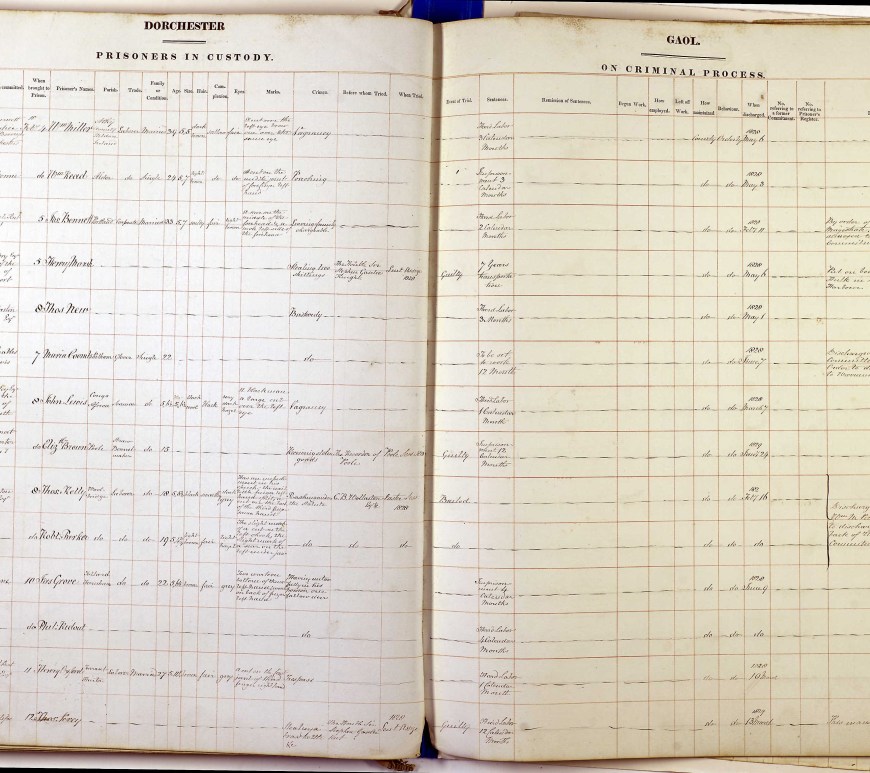
In this guest article Dr Joe Cozens discusses his research into John Lewis, a Black sailor who was arrested during the 1828 Weymouth by-election. Dr Cozens is a Nineteenth Century Social and Political Records Researcher at The National Archives, Kew. On the eve of the February 1828 Weymouth and Melcombe Regis by-election, a Black seaman named John Lewis was arrested for being ‘at the head … Continue reading John Lewis: A Black Sailor at the 1828 Weymouth By-Election

John Bowes (1811-85): the MP and his museum

In this article Dr James Owen looks at the career of John Bowes (1811-85). Best known as an art collector and colliery owner, Bowes was MP for Durham South, 1832-47, but had a far greater impact outside Parliament than at Westminster, with one of his major legacies being the museum which bears his name. The Bowes Museum, situated in the historic market town of Barnard … Continue reading John Bowes (1811-85): the MP and his museum

Beyond the Census: John Rickman and Parliament

At the IHR Parliaments, Politics and People seminar on 17 June 2025, Professor Julian Hoppit, Honorary Professor of British History at UCL, will be discussing John Rickman and his career in Parliament. The seminar takes place on 17 June 2025, between 5:30 and 6.30 p.m. It will be hosted online via Zoom. Details of how to join the discussion are available here. John Rickman (1771-1840) is best known … Continue reading Beyond the Census: John Rickman and Parliament