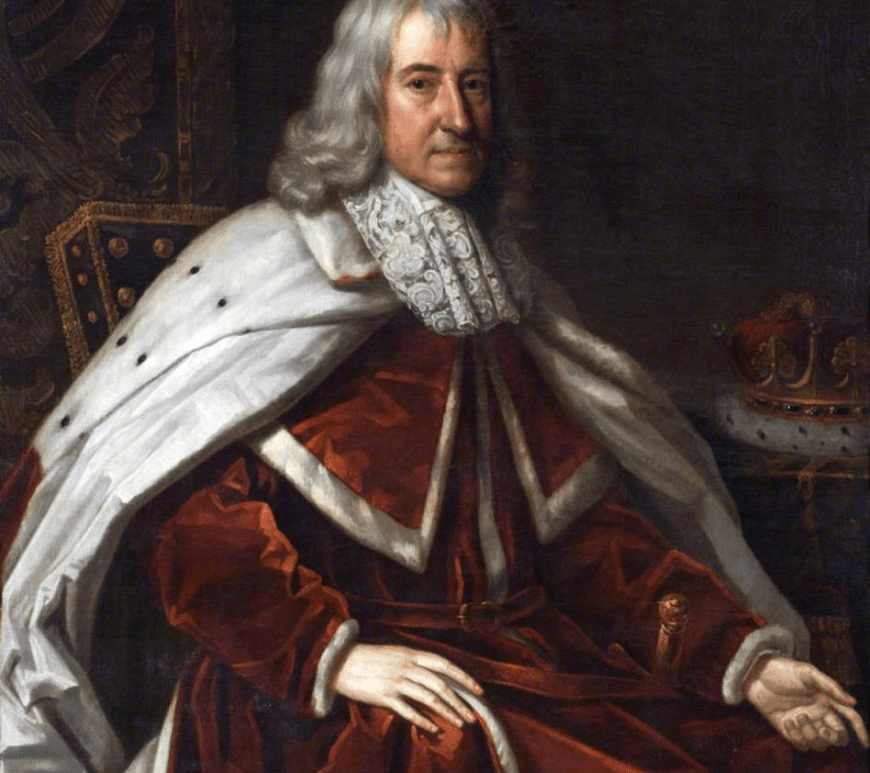
John Robartes, 2nd Baron Robartes of Truro (later earl of Radnor): reading in the revolution

In this guest article, Dr Sophie Aldred, lecturer in Early Modern History at the University of Oxford, explores the library of Lord Robartes and what it tells us of his political position during the revolutionary years of the 1640s. Variously described as of an ‘unsociable nature and impetuous disposition’, ‘sour’, ‘surly’, and a ‘destroyer of every body’s business’, John Robartes, 2nd Baron Robartes of Truro … Continue reading John Robartes, 2nd Baron Robartes of Truro (later earl of Radnor): reading in the revolution

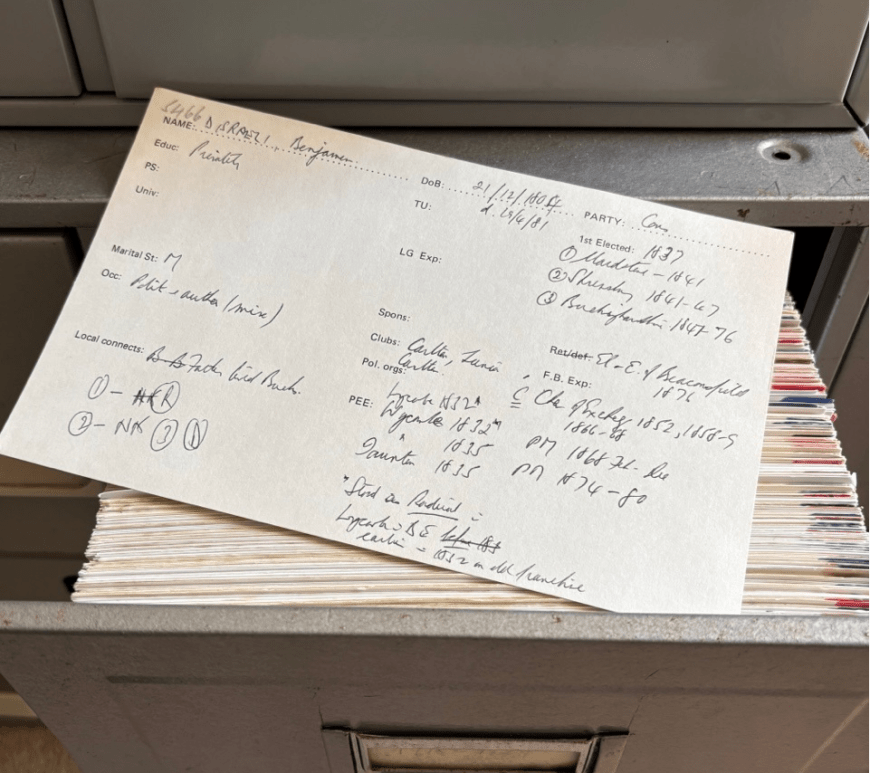
Michael Rush and the Database

We were sad to hear recently of the death of Professor Michael Rush of the University of Exeter. Michael was a pioneering and indefatigable scholar of parliament, whose book, The Role of the Member of Parliament since 1868: from Gentlemen to Players (Oxford 2001), was the first serious study of its kind into the social background and political formation of MPs from the nineteenth century … Continue reading Michael Rush and the Database

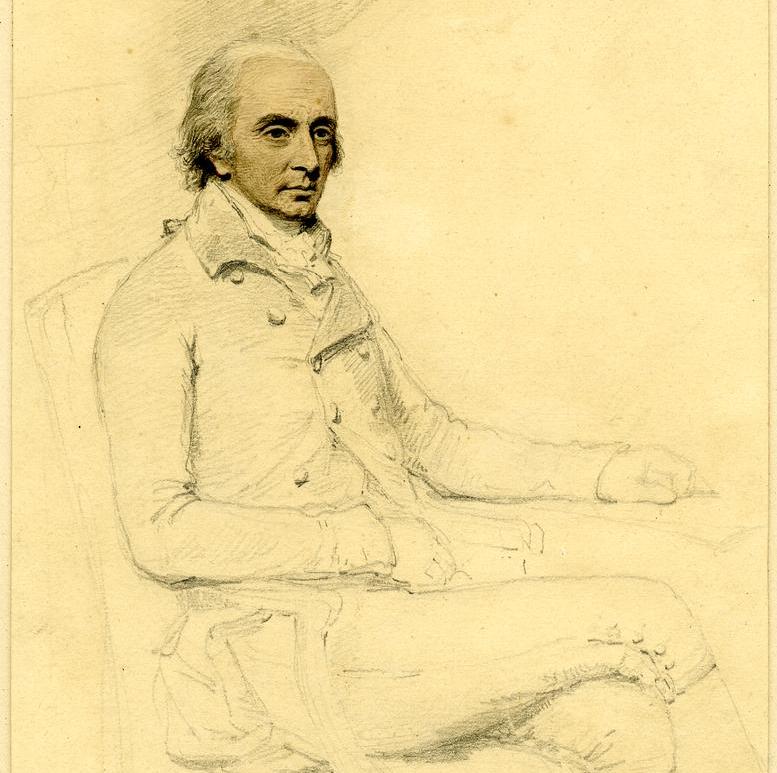
‘The sect of Alarmists’: The Third Party and the reluctant leadership of William Windham, 1793-4

In this latest post, the Georgian Lords welcomes a guest article by James Orchin, PhD student at Queen’s University, Belfast, re-examining William Windham’s ‘Third Party’, known as ‘The Alarmists’. The group was mostly made up of former Foxite Whigs, who had split from Fox over the French Revolution, and found itself positioned somewhat unhappily between Pitt the Younger’s administration and the Foxite opposition in the … Continue reading ‘The sect of Alarmists’: The Third Party and the reluctant leadership of William Windham, 1793-4

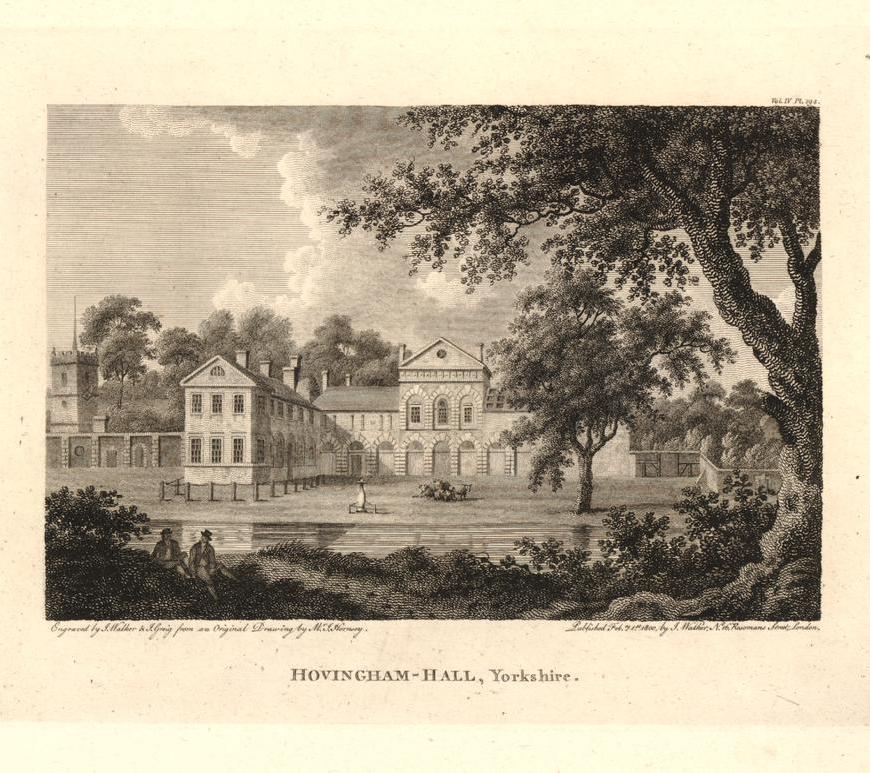
Descended from a giant: the Worsleys of Hovingham

The recent death of HRH the Duchess of Kent, who was married to the late queen’s cousin at York Minister in 1961, reminds us of her family’s long association with Yorkshire. This has included two brothers who served as archbishop of York and several members of her family who were elected to Parliament. Dr Robin Eagles considers the Worsley family’s connection with the north of … Continue reading Descended from a giant: the Worsleys of Hovingham

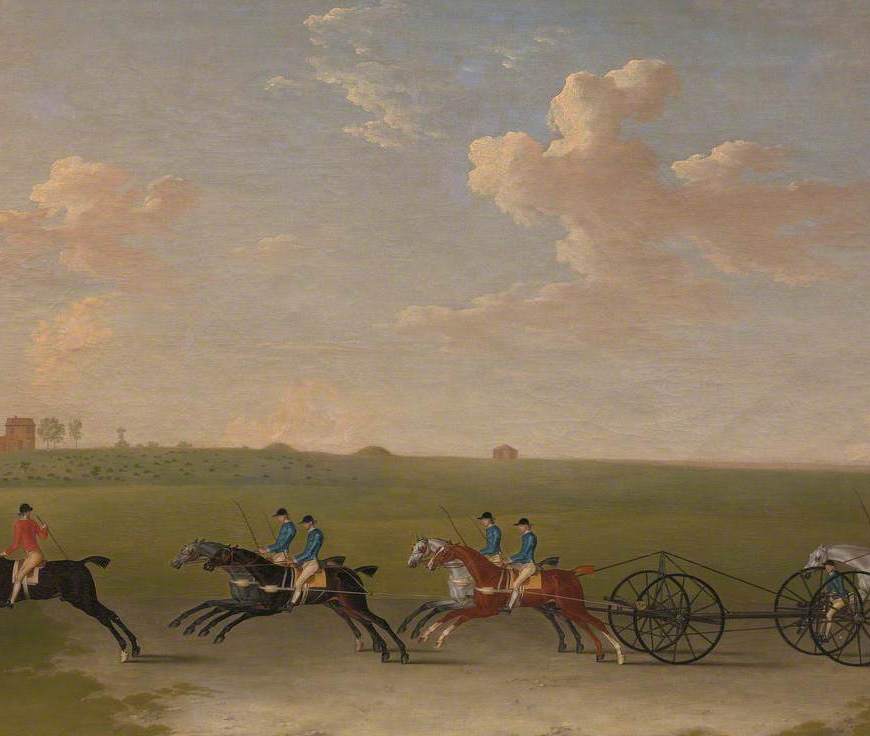
From Jockeys to Ministers: How Horse Racing Shaped Rockingham’s First Ministry

In the latest post for the Georgian Lords, we welcome Ioannes Chountis de Fabbri from the University of Aberdeen, who considers the importance of horse racing in the formation of the Rockingham administration of 1765. The structure of mid-eighteenth-century politics was often defined as much by social custom as by constitutional form. What Leslie Mitchell has called the ‘circle of acquaintances’ of the ruling, largely … Continue reading From Jockeys to Ministers: How Horse Racing Shaped Rockingham’s First Ministry

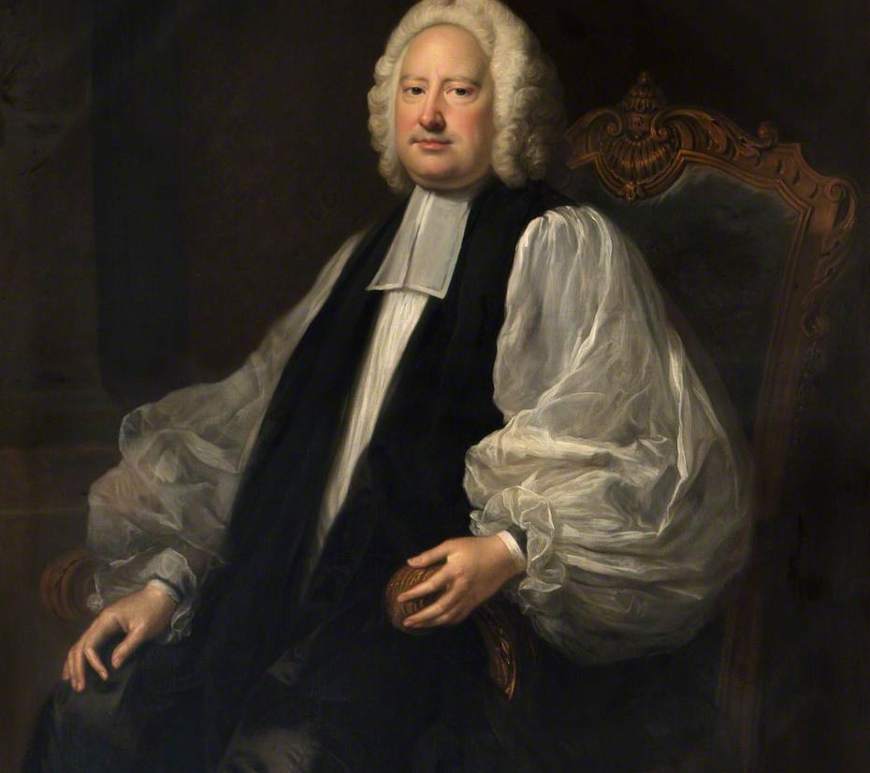
John Potter, an unusual Archbishop of Canterbury

In the latest blog for the Georgian Lords, Dr Robin Eagles examines the career of one of the lesser known Archbishops of Canterbury, who was able to make use of his August 1715 sermon celebrating the accession of George I to press forward his career in the Church. Every 30 January, the rhythm of the parliamentary session in the 17th and 18th centuries was adjusted … Continue reading John Potter, an unusual Archbishop of Canterbury

Call for Volunteers: History of Parliament Oral History Project

The History of Parliament Trust is looking for new volunteer interviewers to join its oral history project! Since 2011, the project has interviewed over 250 former members of parliament, creating, in collaboration with the British Library, a unique sound archive of British politics since 1945. To fill some regional gaps in our collection, the project is specifically looking for volunteer interviewers based in, or able … Continue reading Call for Volunteers: History of Parliament Oral History Project

Lived experiences of the Westminster Parliament in history: People, sociability, communities and space

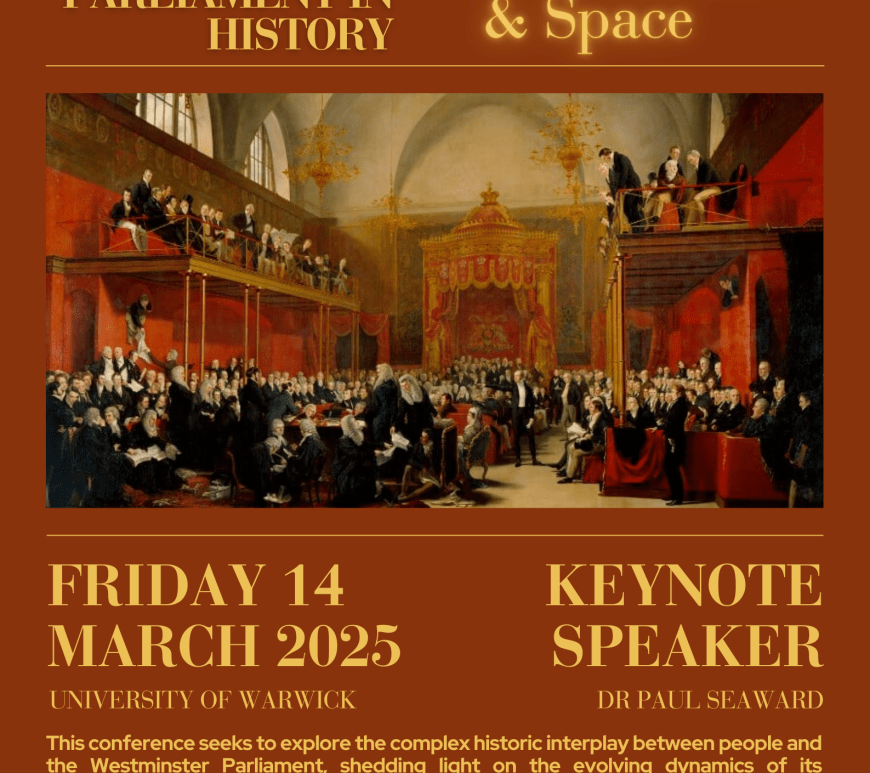
On Friday 14 March 2025, a one-day conference, Lived Experiences of Westminster Parliament in History: People, Sociability, Communities, & Space, will be held at the University of Warwick. Organised by Brendan Tam and Chloe Challender and supported by the History of Parliament Trust and the University of Warwick’s Early Modern and Eighteenth Century Centre, the conference will examine the evolving dynamics between individuals and the … Continue reading Lived experiences of the Westminster Parliament in history: People, sociability, communities and space

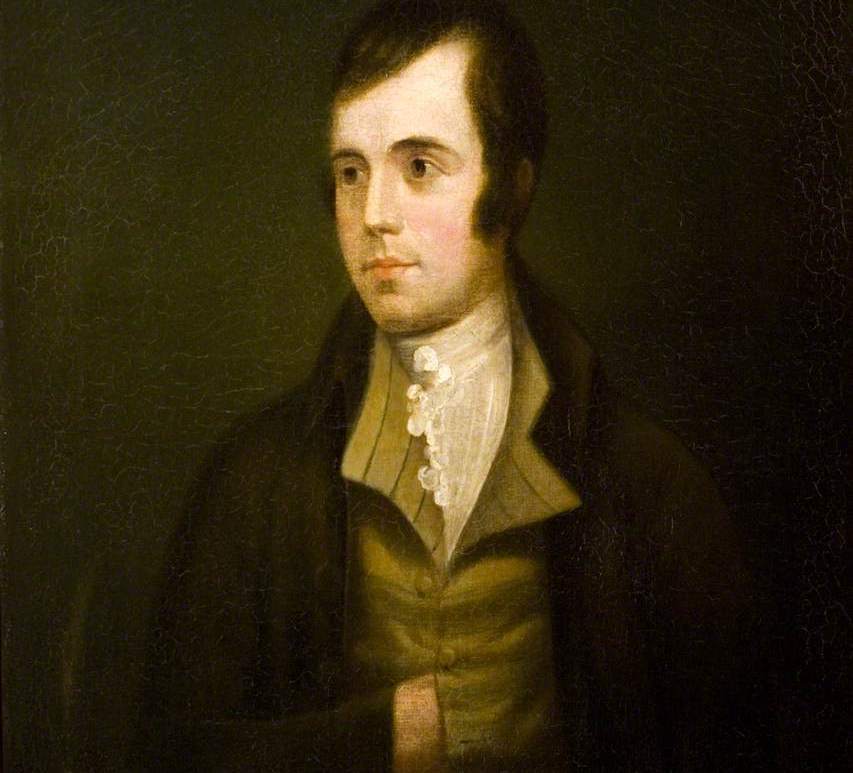
Portrait of a young man with dark hair wearing 18th-century clothing, a dark coat and a buff waistcoat

Robert Burns in Edinburgh: peers, patrons, and politics

In the wake of Burns Night, it is worth considering how the patronage of a small number of Scottish nobles helped Robert Burns become established as the national bard. In his latest piece for the Georgian Lords, Dr Charles Littleton, considers the important role played by a clutch of elite Scots families. Burns first published his Poems, Chiefly in the Scottish Dialect, in Kilmarnock in … Continue reading Robert Burns in Edinburgh: peers, patrons, and politics