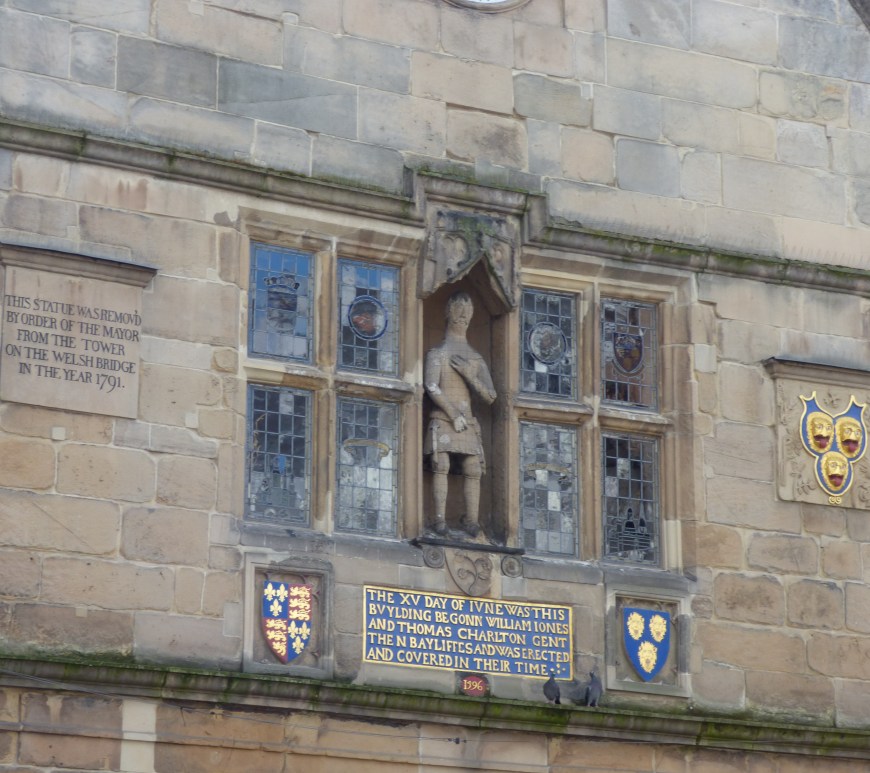
The town of Shrewsbury and the Wars of the Roses: The campaigns of 1459-61

Dr Simon Payling, of our Commons 1461-1504 section, explores the political allegiance of the Shropshire town of Shrewsbury during the Wars of the Roses. While, during the Wars of the Roses, the political allegiances of individual noblemen are relatively easy to determine, those of individual towns are generally obscured. This is not surprising, for the notion of the corporate allegiance of a town is a … Continue reading The town of Shrewsbury and the Wars of the Roses: The campaigns of 1459-61

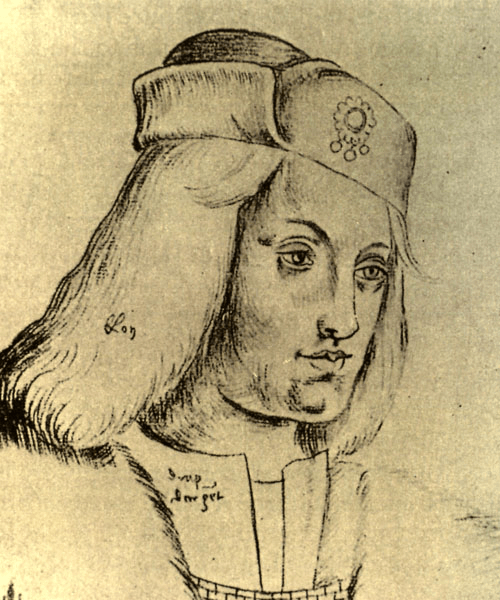
Unrest in the West: The Perkin Warbeck Conspiracy

On this day, 1499, Perkin Warbeck, a pretender to the English throne, was hanged for treason, bringing an end to one of the most significant threats to Henry VII’s reign. Dr Hannes Kleineke, editor of our House of Commons 1461-1504 section, recounts the story of the Warbeck Conspiracy. Some three years after Lambert Simnel had taken up his post as Henry VII’s kitchen boy, another … Continue reading Unrest in the West: The Perkin Warbeck Conspiracy

A disputed election in the wake of the battle of Bosworth: the Shropshire election of 1485

Following the battle of Bosworth and Henry Tudor’s accession to the English throne, the country’s gentry who had sided with Henry seemed destined to be elected to Parliament uncontested. However, as Dr Simon Payling of our Commons 1461-1504 project explores, this was not always the case… Election disputes were rare in late-medieval England. Indeed, it was not until the early fifteenth-century that any legal framework … Continue reading A disputed election in the wake of the battle of Bosworth: the Shropshire election of 1485

John, Lord Clifford, ‘the butcher’ and the killing of Edmund, earl of Rutland, at the battle of Wakefield, 30 December 1460

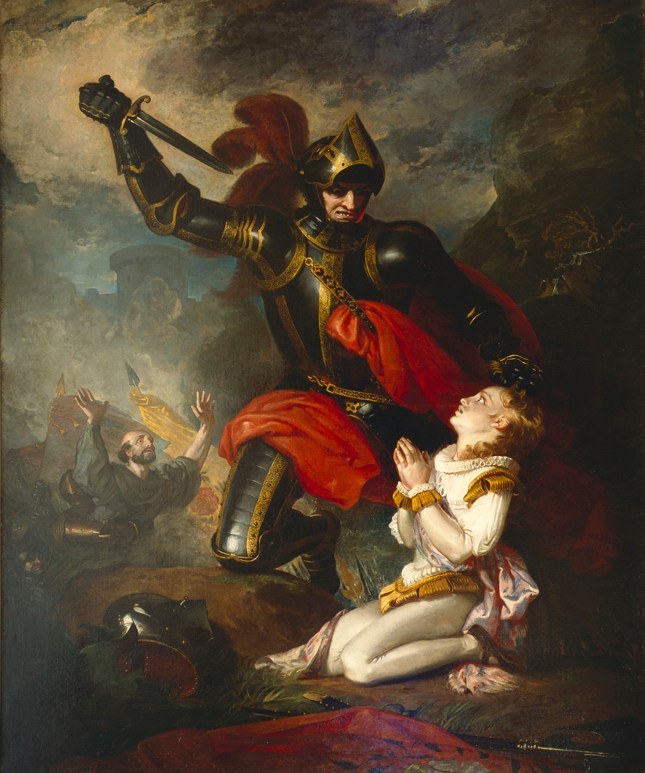
In the 15th Century, the killing of rival faction leaders were commonplace, especially throughout the Wars of the Roses. However, as Dr Simon Payling from our Commons 1461-1504 project investigates, one Lancastrian commander in particular garnered a reputation for brutality, going above the limits of accepted violence… The Wars of the Roses, to state the obvious, were a series of battles, but they are equally … Continue reading John, Lord Clifford, ‘the butcher’ and the killing of Edmund, earl of Rutland, at the battle of Wakefield, 30 December 1460

Parliamentary Elections in the Fifteenth Century

As the UK prepares to go to the polls for the 2024 General Election, modern politicians continue their campaigns across the nation, in an attempt to persuade electors to vote for them on July 4. However, for much of the middle ages, parliamentary elections saw no voting take place at all! Dr Hannes Kleineke, editor of our House of Commons 1461-1504 project, explains some of … Continue reading Parliamentary Elections in the Fifteenth Century

A King’s Sister buried in a Shropshire church: Elizabeth of Lancaster, sister of Henry IV, at Burford

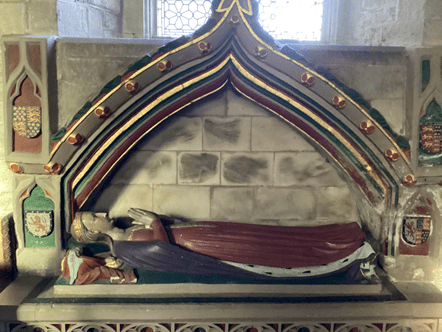
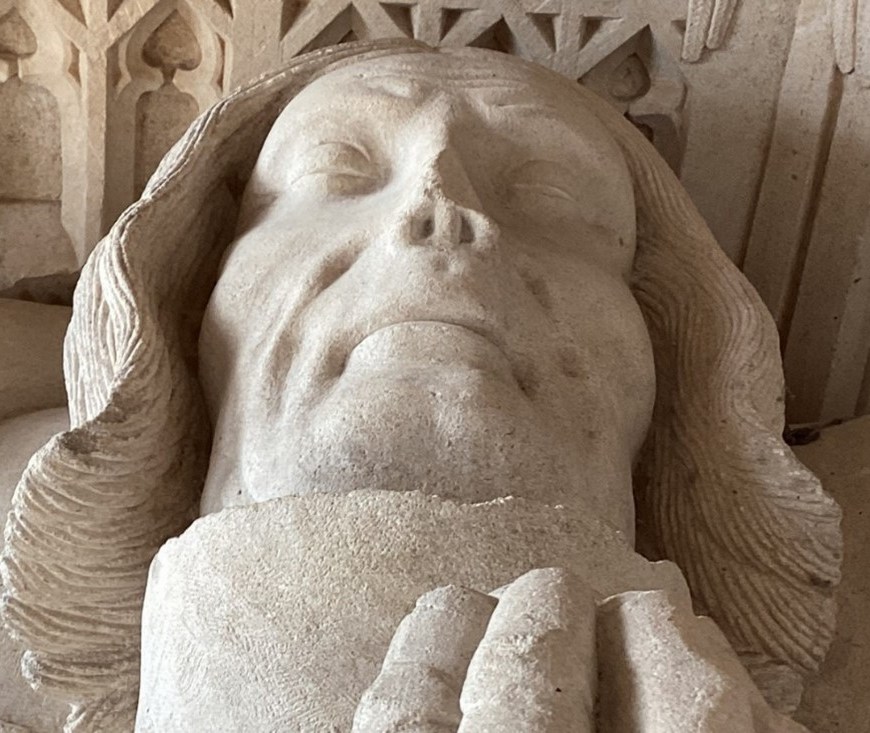
For Women’s History Month, Dr Simon Payling from our Commons 1461-1504 project discusses the life of Elizabeth Lancaster, the sister of Henry IV, who demonstrated a degree of independence unusual for an aristocratic woman. It is surprising to find the sister of a King buried in a remote Shropshire church.  Henry IV’s sister, Elizabeth, in marked contrast to her elder sister, Philippa (d.1415), wife of King John I … Continue reading A King’s Sister buried in a Shropshire church: Elizabeth of Lancaster, sister of Henry IV, at Burford

The Tomb of Sir Richard and Eleanor Croft in Croft Church, Herefordshire

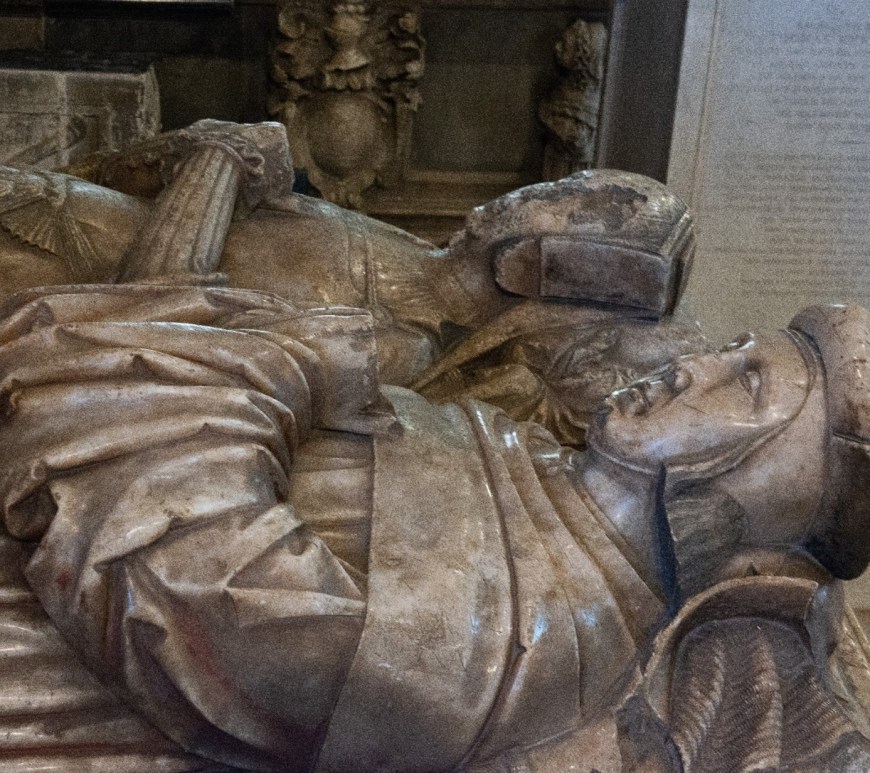
Sir Richard Croft’s career spanned the entirety of the Wars of the Roses; he was able to adapt and maintain his prominence under each new political rule. Simon Payling from our Commons 1461-1504 project takes a look at his remarkable career and his commemoration in Croft Church. The tomb of Sir Richard Croft, MP for Herefordshire in the Parliament of 1478, and his wife, Eleanor, dominates the small church … Continue reading The Tomb of Sir Richard and Eleanor Croft in Croft Church, Herefordshire

A last roll of the dice? Richard III’s pardon to John Morton, 16 August 1485

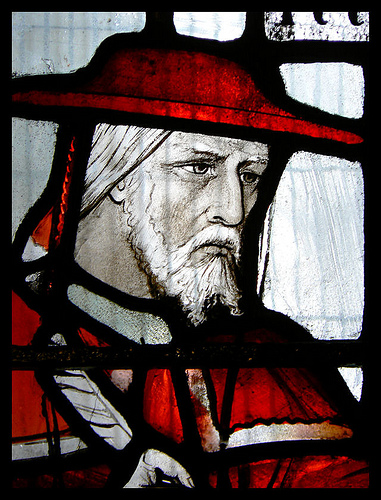
On 16 August 1485, King Richard III issued a pardon to an old adversary, John Morton, bishop of Ely. Dr Hannes Kleineke, editor of our Commons 1461-1504 project, explores the issue that Morton posed to Richard and why he felt the need to offer Morton such an elaborate pardon. On 9 August 1485 Henry Tudor, titular earl of Richmond, landed on the Welsh coast near Milford Haven … Continue reading A last roll of the dice? Richard III’s pardon to John Morton, 16 August 1485

The tomb of William Rudhale (d.1530), Queen Katherine’s attorney-general, in the church of Ross-on-Wye

William Rudhale had a successful career in the medieval legal profession culminating in his promotion to serjeants-at-law. Simon Payling from our Commons 1461-1504 project discusses the significance of the decoration on his memorial in the church of Ross-on-Wye. The church of Ross-on-Wye in Herefordshire has a series of remarkable memorials, none more so than chronologically the earliest, that of William Rudhale, King’s serjeant-at-law, and his wife, Anne Milborne. The … Continue reading The tomb of William Rudhale (d.1530), Queen Katherine’s attorney-general, in the church of Ross-on-Wye

‘No deed of shame so foul’: the treachery of Edmund, Lord Grey of Ruthin, and the battle of Northampton, 10 July 1460

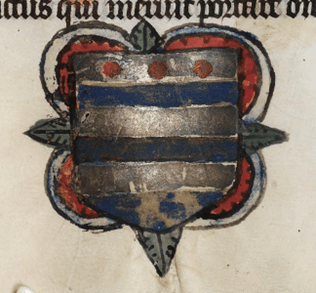
On 10 July 1460 the Battle of Northampton was fought. This was a major battle in the Wars of the Roses and saw the Yorkist army reverse their previous misfortune. Simon Payling from our Commons 1461-1504 project discusses this dramatic battle. The ‘Wars of the Roses’ were notable for their striking reversals of fortune, but perhaps none was so extreme as that which occurred between the rout of … Continue reading ‘No deed of shame so foul’: the treachery of Edmund, Lord Grey of Ruthin, and the battle of Northampton, 10 July 1460