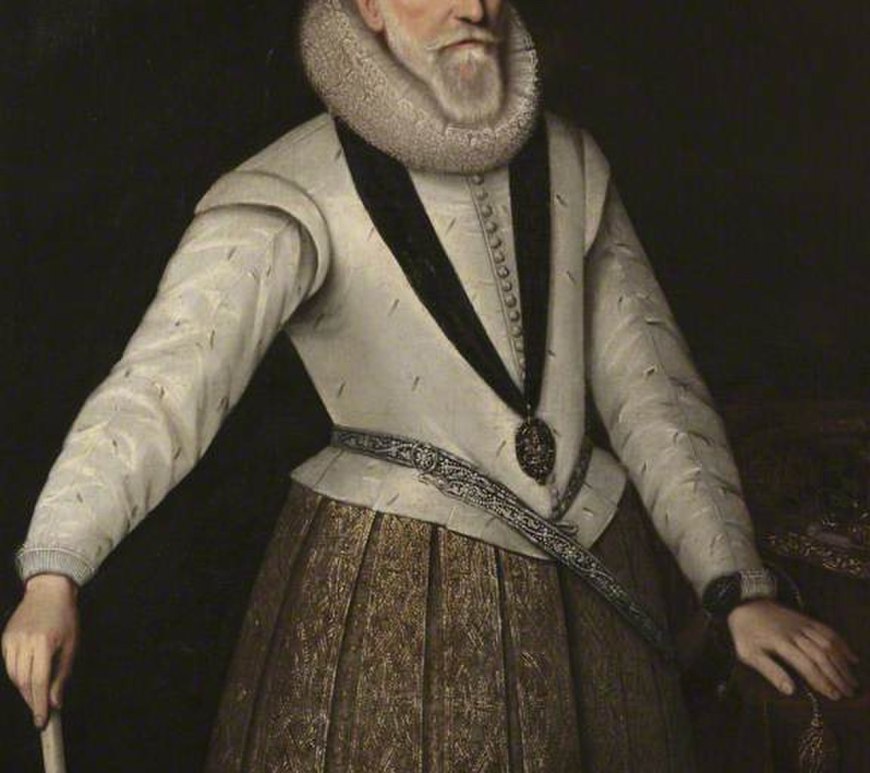
William Herbert, 3rd earl of Pembroke: the ‘nearly man’ of early Stuart politics

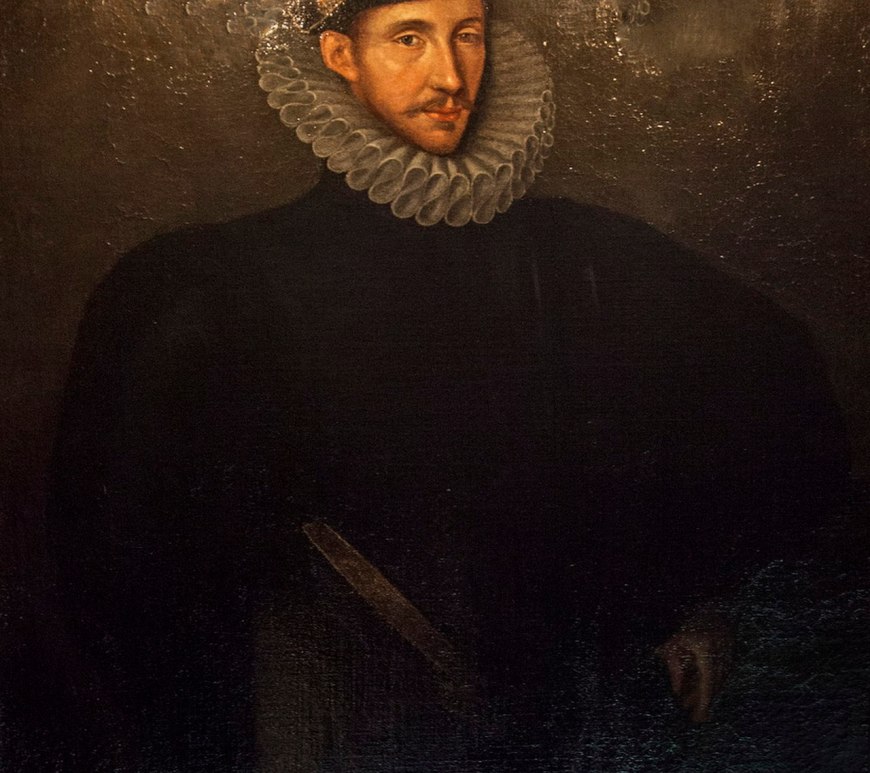
As we wait to hear who has triumphed in the latest contest to become prime minister, Dr Paul Hunneyball of our Lords 1558-1603 section considers a leading 17th-century courtier who seemed destined for the top, but never quite made it… It’s tempting to assume that present-day politics has little in common with government 400 years ago, but in fact there are quite strong parallels.  Then … Continue reading William Herbert, 3rd earl of Pembroke: the ‘nearly man’ of early Stuart politics

One of our seals is missing! How a summer vacation brought Charles I’s government to a grinding halt

During the coronavirus pandemic we have grown used to government interventions disrupting our travel plans. However, in 1625 the government itself was disrupted by a holiday in Wales, as Dr Paul Hunneyball of our Lords 1558-1603 section explains… In the context of contemporary British government, the office of lord privy seal – more correctly lord keeper of the privy seal – is a non-job, a … Continue reading One of our seals is missing! How a summer vacation brought Charles I’s government to a grinding halt

The jubilee tour of King James VI and I

In the 21st century, royal visits are often quite brief events, with high-speed travel, and an emphasis on public appearances and social events, rather than affairs of state. Four hundred years ago the picture was very different, as Dr Paul Hunneyball of our Lords 1558-1603 section explains… In March 1603, following the death of Elizabeth I, her cousin James VI of Scotland became James I … Continue reading The jubilee tour of King James VI and I

Legislature meets library: Parliament at Oxford in 1625

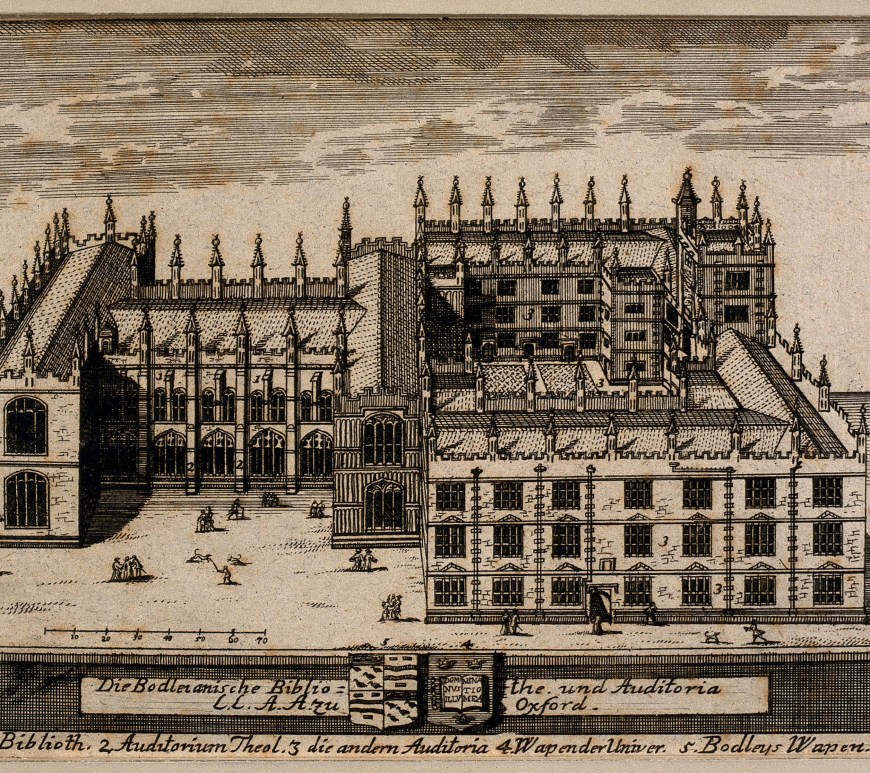
As part of our Parliament away from Westminster series, Dr Paul Hunneyball of our Lords 1558-1603 section explores the factors which led to England’s oldest university hosting Parliament for the first time since 1258… In July 1625 Charles I faced the first crisis of his reign. England was currently at war with Spain, and the king urgently needed money to fund a fresh campaign. Parliament … Continue reading Legislature meets library: Parliament at Oxford in 1625

Commemorating same-sex desire in early modern England

To mark LGBT History Month 2022, Dr Paul Hunneyball of our Lords 1558-1603 project considers a paradox in perceptions of same-sex relationships four hundred years ago… Very few declarations of same-sex love survive from early-17th-century England, and generally they occur only in private correspondence, such as that of James I and his favourite George Villiers, 1st duke of Buckingham. However, tucked away in central Cambridge … Continue reading Commemorating same-sex desire in early modern England

Henry Clinton, earl of Lincoln: a peer governed by the underworld?

What’s your image of an Elizabethan nobleman? A grave elder statesmen with a long beard, perhaps, or a dashing young courtier in a large ruff. How about a pantomime villain? Dr Paul Hunneyball of our Lords 1558-1603 section considers a peer whose bad behaviour shocked even his contemporaries… According to the conventional narrative of English history, medieval peers lived in castles, employed private armies, oppressed … Continue reading Henry Clinton, earl of Lincoln: a peer governed by the underworld?

What price a peerage? John Roper and the Jacobean trade in titles and offices

Accusations of political sleaze are on the rise again, but the concept of government insiders profiting from the system is nothing new, as Dr Paul Hunneyball of our Lords 1558-1603 project explains… If the Committee on Standards in Public Life had existed 400 years ago, it would have needed a rather different remit. While Jacobean politicians periodically attacked corruption and venality in government, it was … Continue reading What price a peerage? John Roper and the Jacobean trade in titles and offices

What did the Elizabethan House of Lords look like?

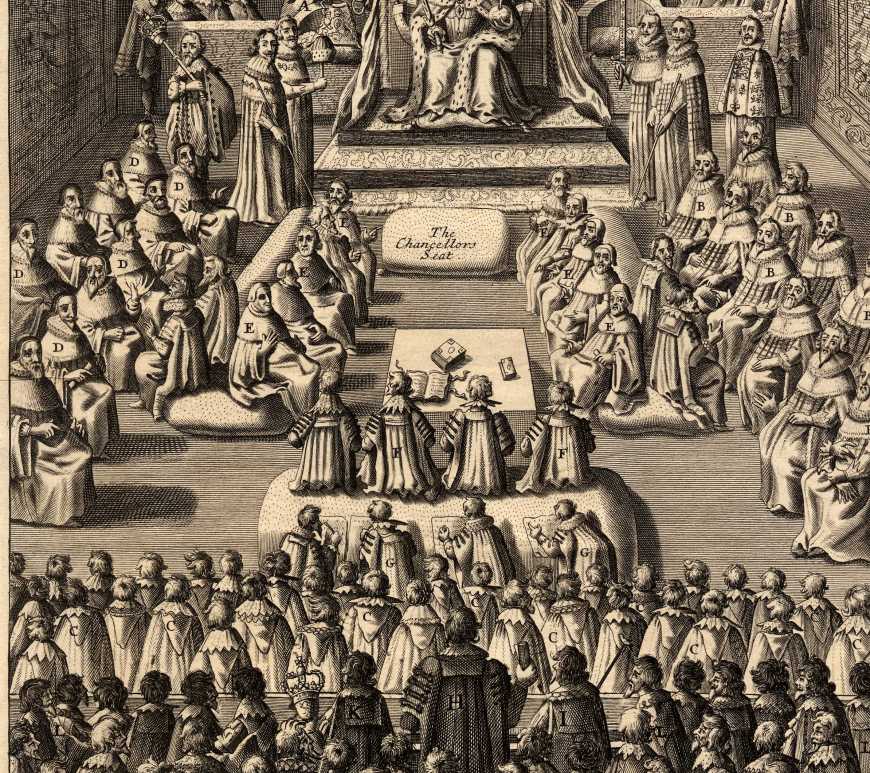
This might seem like a simple question but, as Dr Paul Hunneyball of our Lords 1558-1603 project explains, the answer is anything but straightforward… In 21st-century Britain, we take it for granted that we know what our parliamentary chambers look like. At Westminster, both the House of Commons and House of Lords are open to visitors, and parliamentary debates are recorded on television and illustrated … Continue reading What did the Elizabethan House of Lords look like?

‘The Downe-fall of Dagon’: the post-Reformation campaign against Cheapside Cross

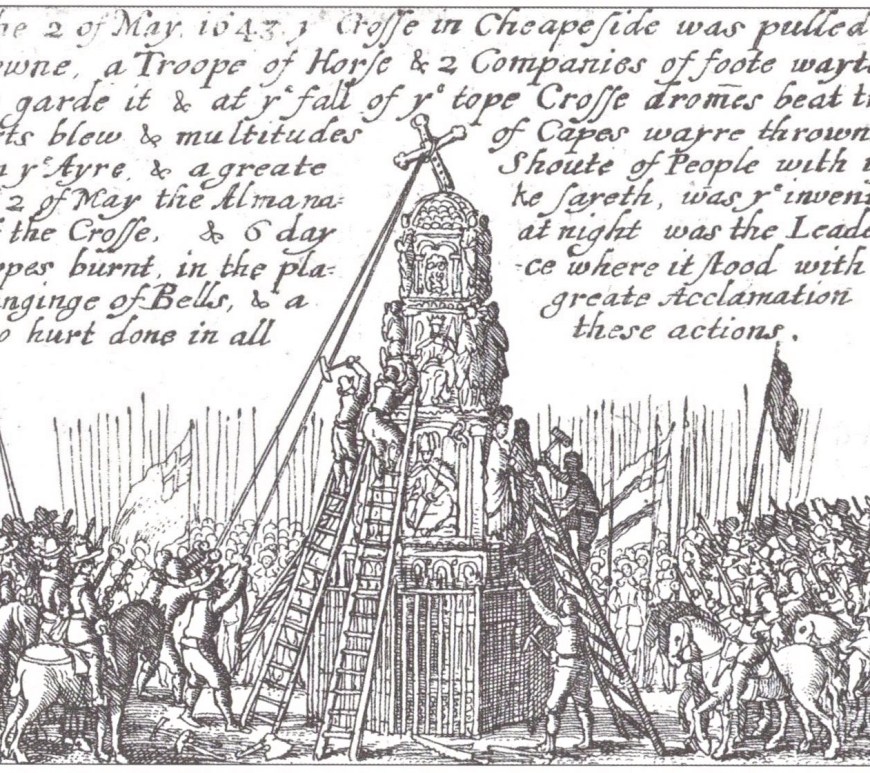
The recent trend of attacks on statues with uncomfortable moral or historical associations is nothing new; Dr Paul Hunneyball of our Lords 1558-1603 project considers the parallels with early modern English iconoclasm… In November 1290 the queen consort, Eleanor of Castile, died in Nottinghamshire. Her grief-stricken husband, Edward I, subsequently constructed 12 stone monuments, the so-called Eleanor crosses, along the route of her funeral procession … Continue reading ‘The Downe-fall of Dagon’: the post-Reformation campaign against Cheapside Cross

Edward, Lord Stafford and the 1621 parliamentary protections scandal

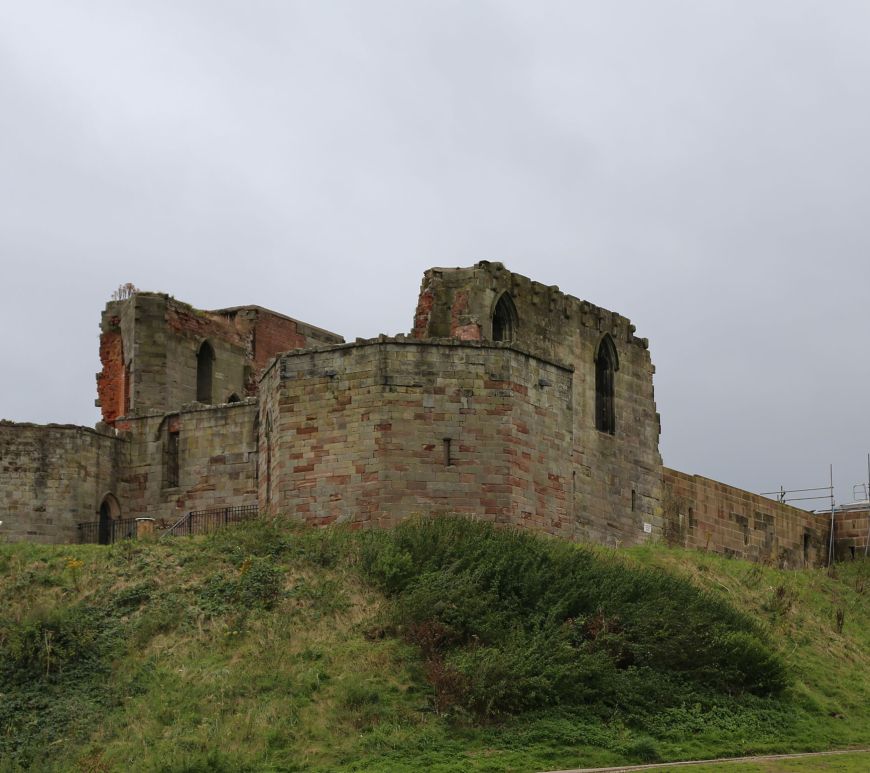
Four hundred years ago this month, in an unprecedented move forced on it by circumstances, Parliament adjourned for more than five months. As Dr Paul Hunneyball of our Lords 1558-1603 section explains, this seemingly innocuous procedural move had unfortunate and unintended consequences… The 1621 Parliament is now chiefly remembered for its sustained attacks on corruption in high places. The lord chancellor, Francis Bacon, Viscount St … Continue reading Edward, Lord Stafford and the 1621 parliamentary protections scandal