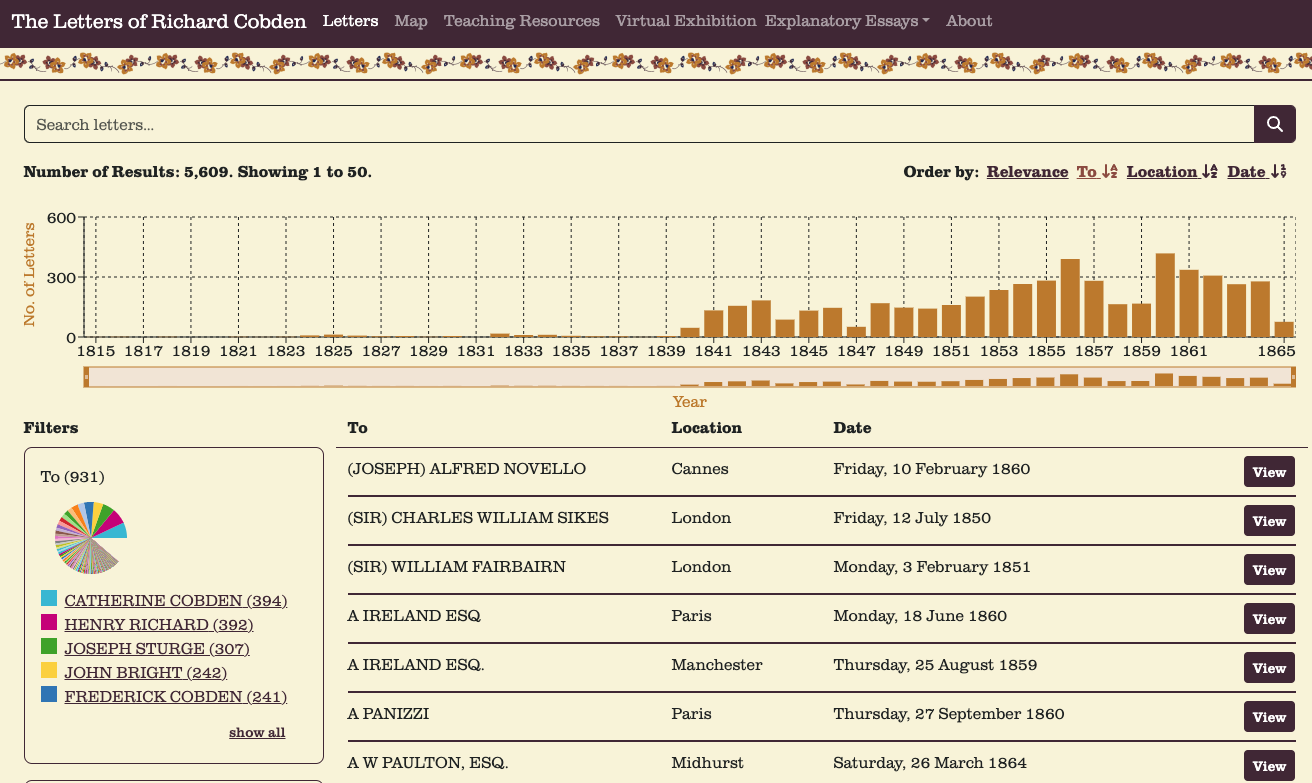
In this guest post, previously published on the Victorian Commons, Dr Helen Dampier, Leeds Beckett University, uses the groundbreaking Letters of Richard Cobden Online resource to explore the human side of Richard Cobden. Helen is a co-investigator for the project, which contains a searchable collection of digital transcripts of letters written by Cobden and a virtual exhibition of the original documents.
The digital publication of c. 5,700 previously unpublished transcripts of letters by the Victorian statesman Richard Cobden will be of immense interest to historians of nineteenth-century British politics. The letters are an invaluable resource, enriching our understanding of crucial historical events, from the 1840s Anti-Corn Law Campaign, to local politics in the constituencies Cobden represented as a Liberal MP (Stockport; West Riding of Yorkshire; Rochdale), to the Anglo-French trade agreement brokered by Cobden in 1860 and much, much more.
www.cobdenletters.org also uses Cobden’s letters to promote the theme of ‘active citizenship’, and to this end includes downloadable teaching materials for Key Stage 3 teachers on citizenship and history, and explanatory essays exploring Cobden’s key campaigns and significance.
While the value of Cobden’s letters might conventionally be seen to lie in their illumination of his political campaigns, they are also a rich resource for anyone interested in letters as a form of life-writing, and in the epistolary traces of human lives and relationships. Often entertaining and funny, at times poignant and moving, the letters mix lofty political discussions with captivating details of the quotidian, the domestic and the personal. They give us glimpses of a more human Cobden than the great statesman more frequently under the historical spotlight.
Unlike many published writings – in Cobden’s case, political pamphlets and treatises – part of the appeal of letters is their blend of the high-minded and public with the personal and intimate. In letters to his political ally John Bright, for example, Cobden often intermingled political commentary with expressions of concern about Bright’s health (and appetite!), as in this 1856 letter in which Cobden commented on the peace negotiations to end the Crimean War before remarking, ‘I hope you are taking care of yourself. Your case is a clear one. You are too full of blood & fat, & your only remedy is to eat less meat & take more walking exercise.’ Bright’s health had broken down in 1856.
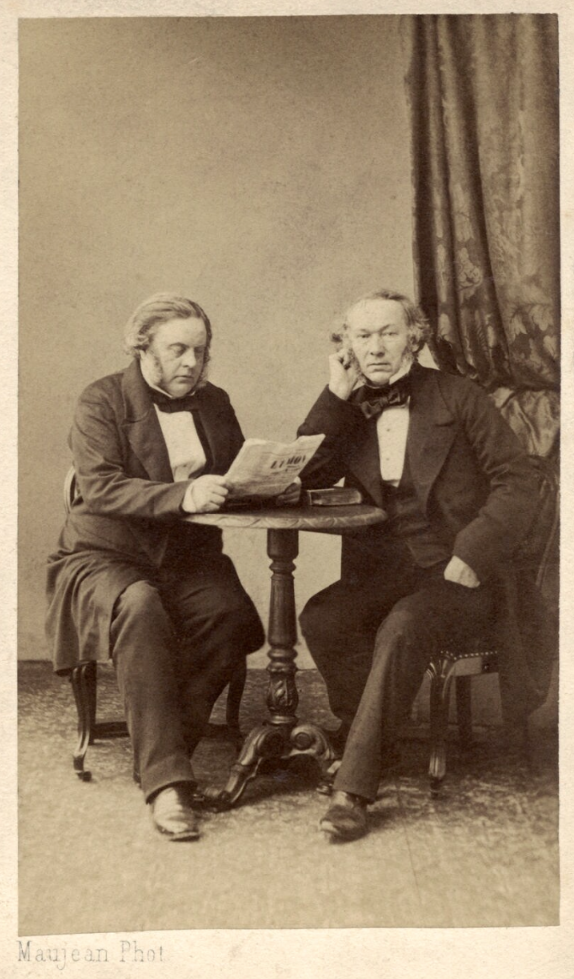
That Cobden thought Bright was in fact rather greedy can be gleaned from an amusing letter to his wife Kate, ‘He [Bright] thinks himself a very small eater, & I am sometimes inclined to laugh at him when he talks about it. – We dined together at the Reform yesterday, & he ordered the dinner, in order that we might have something very “simple”. – We began with Cotelettes & piquante sauce – then a couple of jellies, & I had to check him whilst going to order an addition in the shape of an omelette aux fines herbes.’
During the nineteenth century, letters were a social glue and oiled the wheels of both personal relationships and professional networks. Cobden’s letters are peppered with warm sentiments, greetings to the families of his correspondents and expressions of concern about their health. These were all part of letter-writing conventions at the time, but also played a vital role in ‘cementing social bonds’ (Earle, 1999, p. 3). And, as Simon Morgan has argued, these bonds were integral not incidental to political campaigning.
Cobden’s letters to his wife Kate show, as Sarah Richardson has suggested, that she played a vital part in organising Cobden’s political life. His letters to her are scattered with instructions relating to the smooth running of his political life, asking her to forward on letters and pamphlets, or keep important newspaper clippings for him, for example.
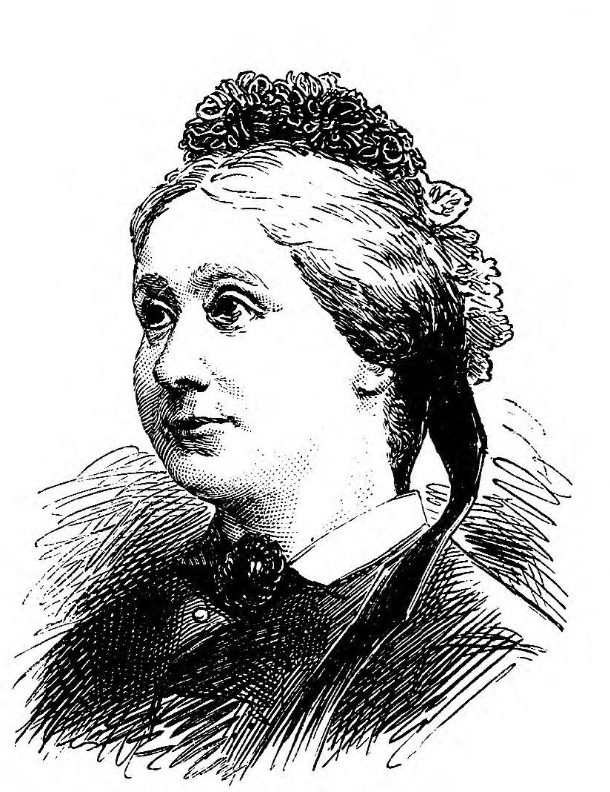
The letters to Kate also reveal the important role that family networks played in his emotional sustenance. Cobden’s letters subvert the stereotype of the starchy, remote Victorian father. His letters to Kate frequently close with the enjoinder ‘kiss the little ones’ or even ‘kisses for the little cherub’. His fatherly affections are vividly evoked in this letter in which Cobden describes dandling his youngest daughter. They are also powerfully and movingly evident in this letter following the death of his fifteen-year-old son Dick in 1856.
It is also in his letters that we can discern something of the cost of Cobden’s political career to his family life and relationships, and the taxing effect of public life. In 1846 he wrote to George Combe, ‘I assure you that during the last 5 years so much have I been involved in the vortex of public agitation, that I have almost forgotten my own identity & completely lost sight of the comforts & interests of my wife & children.’
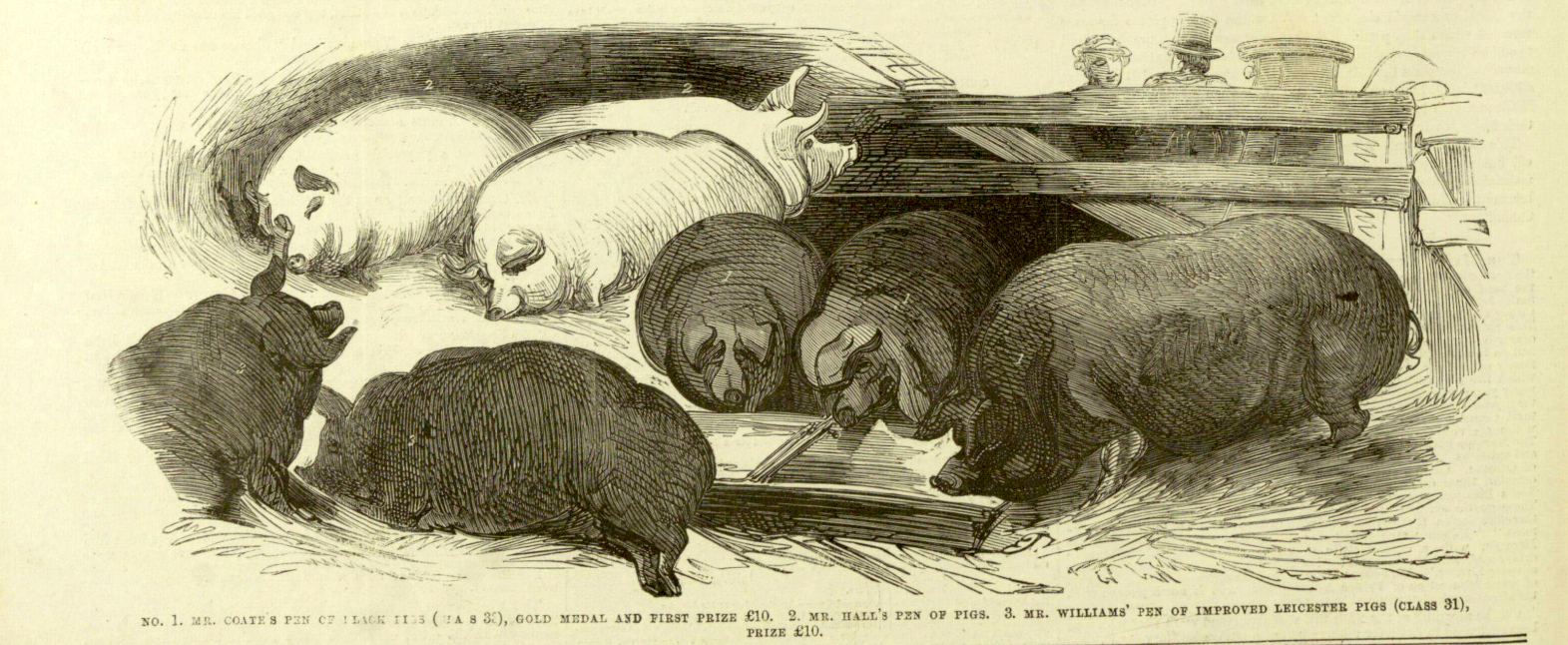
But we should remember – as Rebecca Earle reminds us – that letters do not provide us with unmediated access to the writer’s emotions; letters are often artful and performative. We can see this in some of Cobden’s humorous letters, as in this 1858 letter about his enjoyment of pig-keeping: ‘I relax a good deal with pigs! Sheep look all the same, – but there is an individuality about pigs & we become quite acquainted. – There is a cunning expression in their eye, when they are speculating whether you are about to give them a slice of turnip or carrot, that looks dreadfully human.’
Other letters are unintentionally funny for present-day readers, but were not necessarily intended to be amusing – as in this 1834 letter to his brother Fred, written from Switzerland, where he was travelling at the time, ‘All the world smokes in Berne & I am bringing you a crack pipe, bag of bakky, flint & tinder all à la German.’ Of course, it was not that kind of crack pipe! His letter to a Reverend Drought, a constituent, about the 1852 Ilkley water bill probably also falls into the unintentionally funny category.
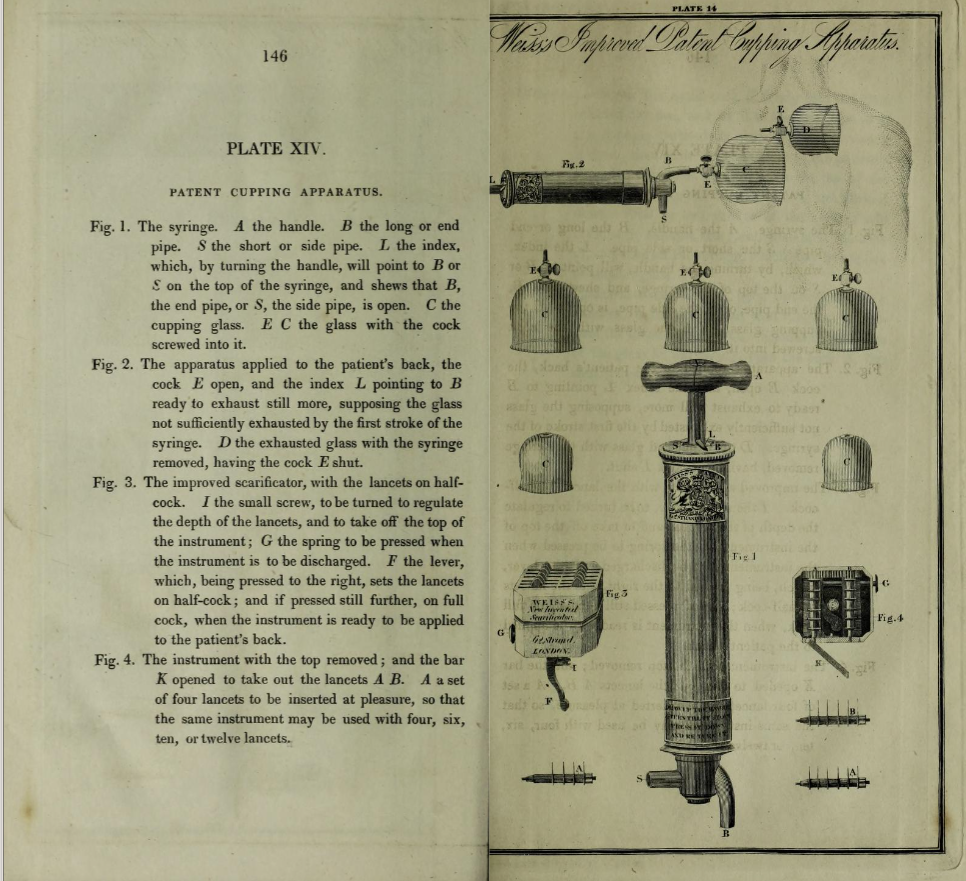
Several letters give us insights into Victorian health remedies, many of which sound bizarre and even gruesome to present-day readers. These include drinking ‘tar water’ (favoured for respiratory conditions), ‘hot oil & opium’ massaged into stiff muscles or taking ‘hot onions’ for a common cold. Perhaps most alarming are Cobden’s entreaties to John Bright to be ‘cupped’, a form of blood-letting believed to restore the balance between the four humours. In one letter Cobden commented rather breezily, ‘I am aware that there is much prejudice against bloodletting in our day.– In this we have run into the opposite extreme of our fathers who used to open a vein in the spring as naturally as they took to their light clothing… Now, it could not possibly do you any harm to lose 12 oz of blood from your temples or the back of your neck.– I have been cupped in both places.’
www.cobdenletters.org makes accessible a resource which sheds fascinating light on Cobden’s political endeavours and active citizenship; through his letters we also catch sight of a flesh-and-blood Cobden, and learn something of the texture of everyday Victorian life.
HD
Further reading:
R. Earle (ed.), Epistolary Selves: Letters and Letter-Writers, 1600-1945 (1999)
S. Morgan, Celebrities, Heroes and Champions: Popular Politicians in the Age of Reform, 1810-67 (2021)
S. Richardson, ‘”You Know your Father’s Heart’. The Cobden Sisterhood and the Legacy of Richard Cobden’, in A. Howe and S. Morgan (eds.), Rethinking Nineteenth-Century Liberalism: Richard Cobden Bicentenary Essays (2006)